Ruta Viñes
Dr. Lluis Herrera
In 2025, Lleida celebrated the 150th anniversary of the birth of Ricard Viñes (1875–1943), a brilliant pianist often sought after by many composers to premiere their works. Viñes developed his artistic career in Paris, undertaking continuous concert tours throughout Europe, North Africa, and also South America. The commemoration, however, has been only a starting point for many other initiatives that will continue to be carried out from now on.
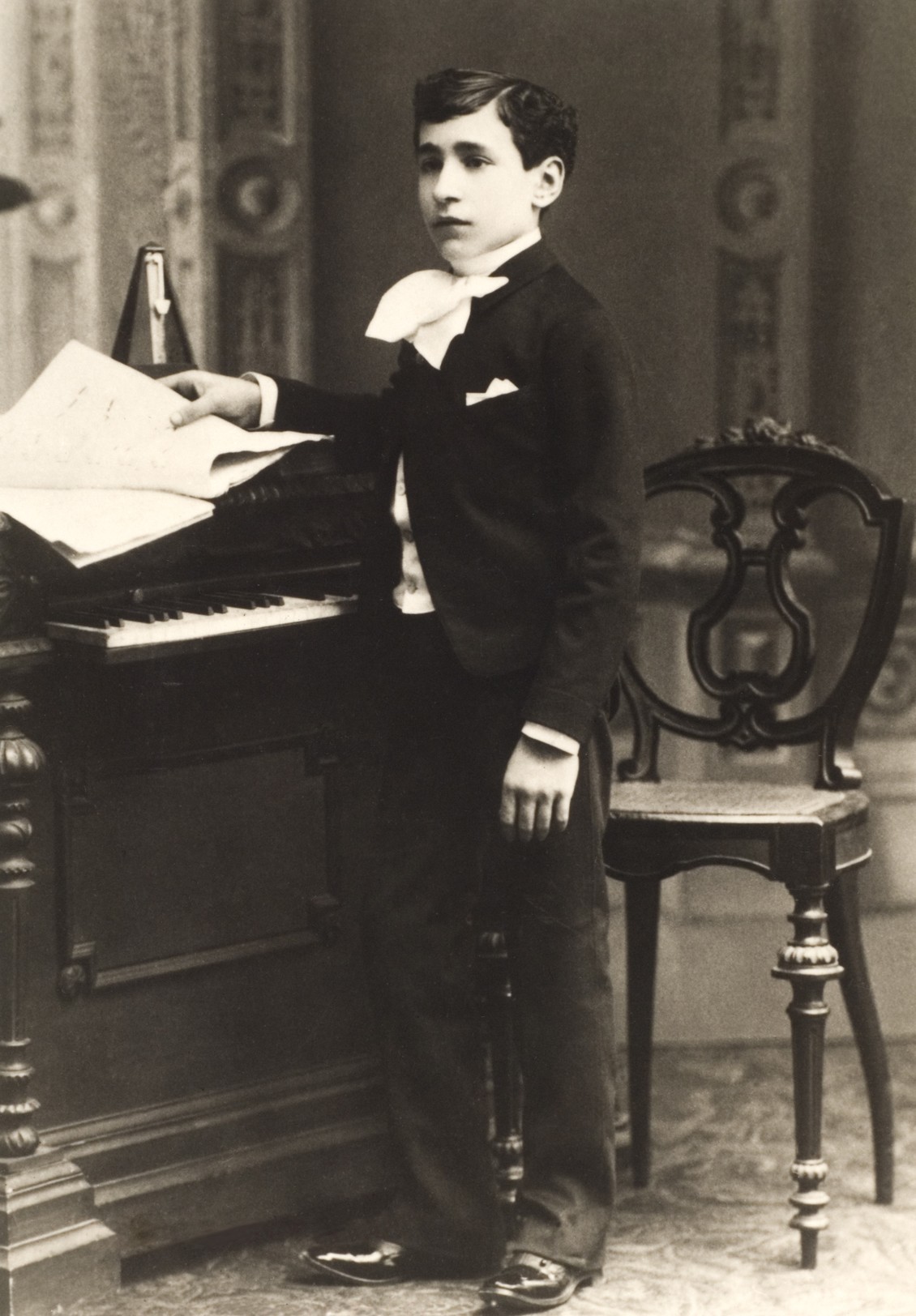
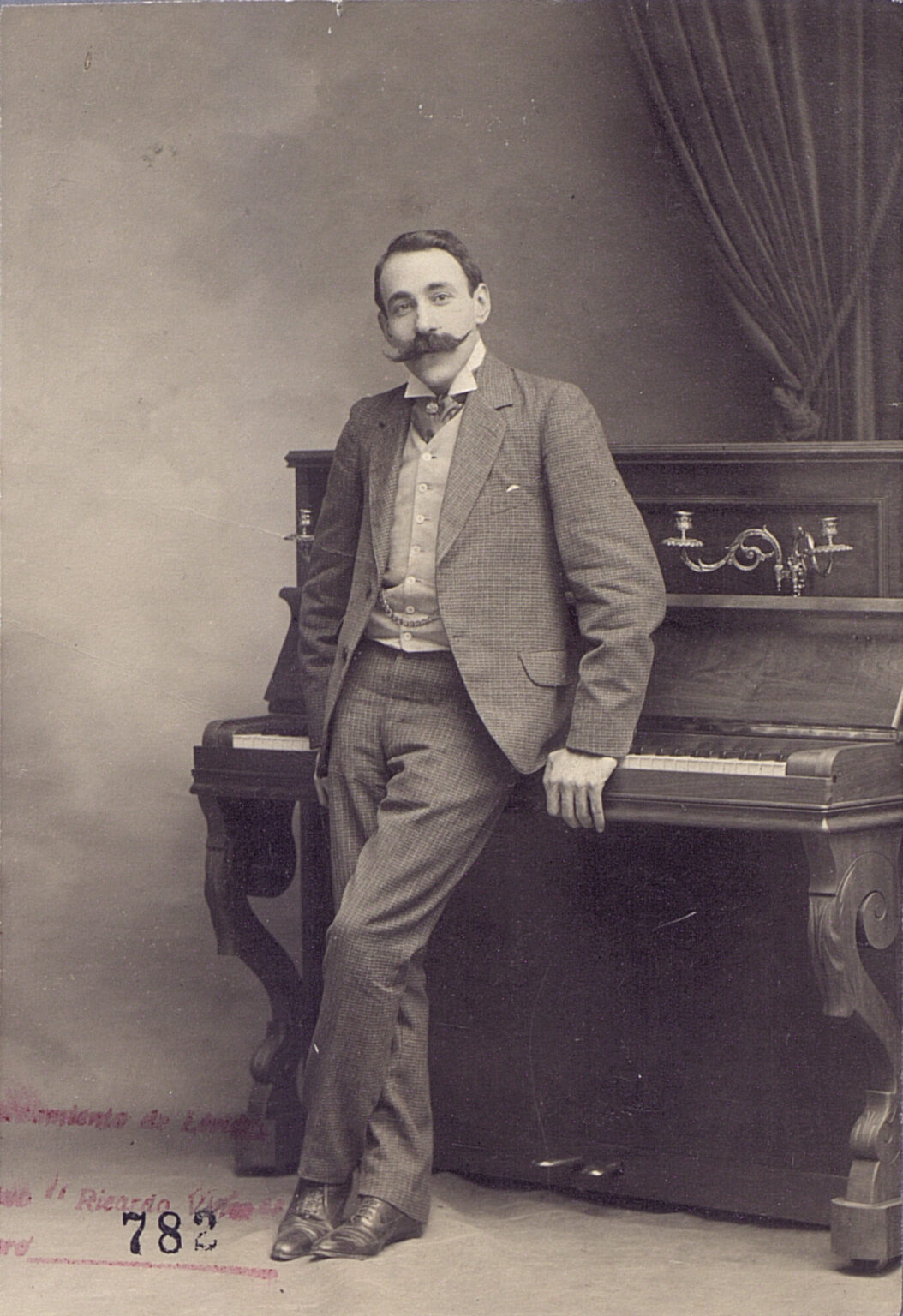
Ricard Viñes García Roda was born in Lleida on 5 February 1875. At the age of seven, he began his music studies with Joaquim Terraza, organist of the church of Sant Llorenç and a well-known teacher of the time, and at the age of ten, thanks to his parents’ efforts, Viñes moved to Barcelona to study with Joan Baptista Pujol. Two years later, he won the first prize in the advanced piano class of the Municipal School of Music, which earned him the recognition and advice of Isaac Albéniz, decisive in his choice to move to Paris and continue his studies with Charles de Bériot at the Conservatory of the French capital. Very soon, the young Viñes began a brilliant musical career that would lead him to become one of the most renowned pianists of his time. From 1885 onwards, Viñes lost contact with Lleida and would not resume it until 1907, twenty-two years later, at the age of almost thirty-two, on the occasion of his mother’s death. From that moment on, and until shortly before his death, his stays in Lleida were frequent, either to visit family or to give concerts.
Ricard Viñes usually came to the May local festival, and all his visits—without exception—were celebrated by the authorities, musical organisations of all kinds (choirs and choral societies, bands, unions, etc.), as well as by many enthusiasts, admirers, friends, and curious onlookers who did not want to miss the occasion. Generally preceded by calls for participation from the City Council in the press, a crowd would go to receive him at the train station and escort him in procession to the Town Hall of Lleida, a procession that passed through Rambla Ferran, Carrer del Carme, Plaça de la Sal, and Plaça Sant Joan, finally reaching Plaça Paeria where, once inside the Town Hall—the Plenary Hall—he was given an official and protocolary welcome.
This is precisely the route we propose to follow this year with all the bands participating in the 21st Lleida International Band Festival. This time, however, we will extend the route to the house where Viñes was born, located at the intersection of Carrer Major and Carrer Caldereries, as well as to the former Viñes Theatre, built in 1919 nearby on Avinguda de Blondel.
The Viñes Route does not aim to provide an exhaustive account of the life and artistic career of the figure, but rather focuses on Ricard Viñes’s relationship with the city, also contextualising the spaces and the historical moment of the Lleida he knew. To this end, several significant points of his presence and his connection with the city have been selected.
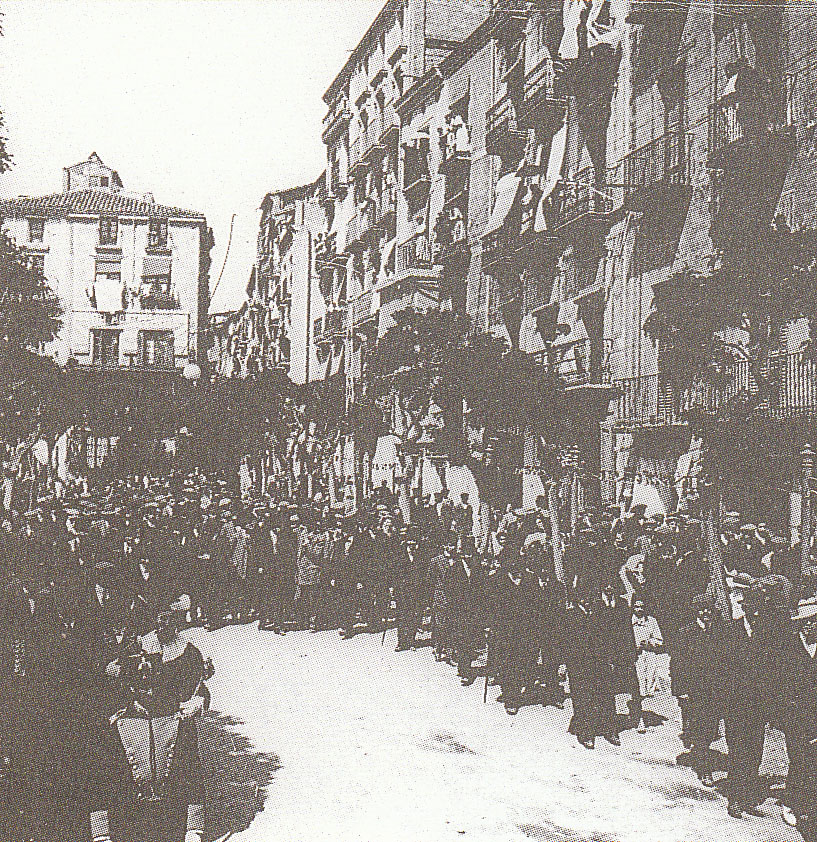
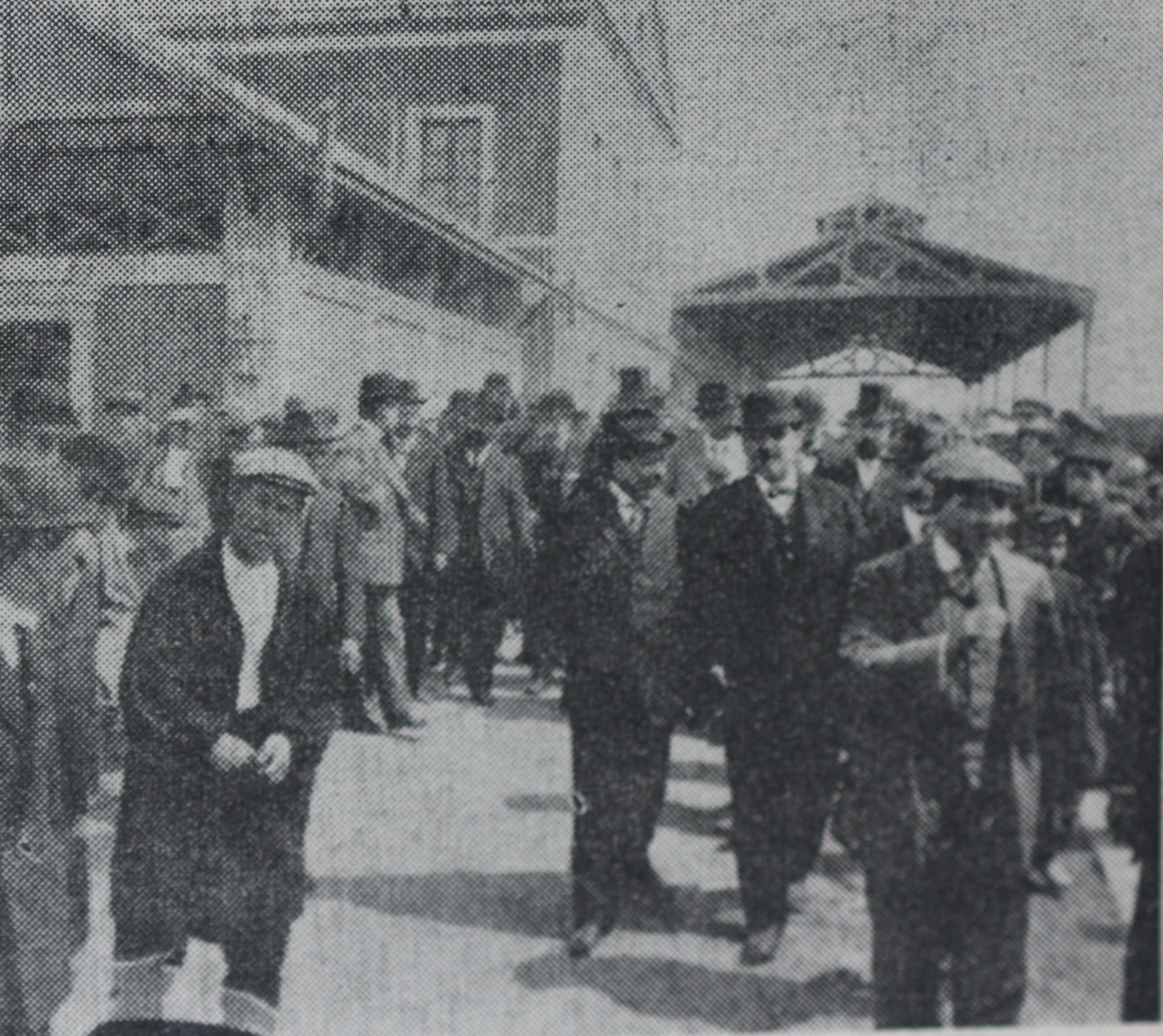
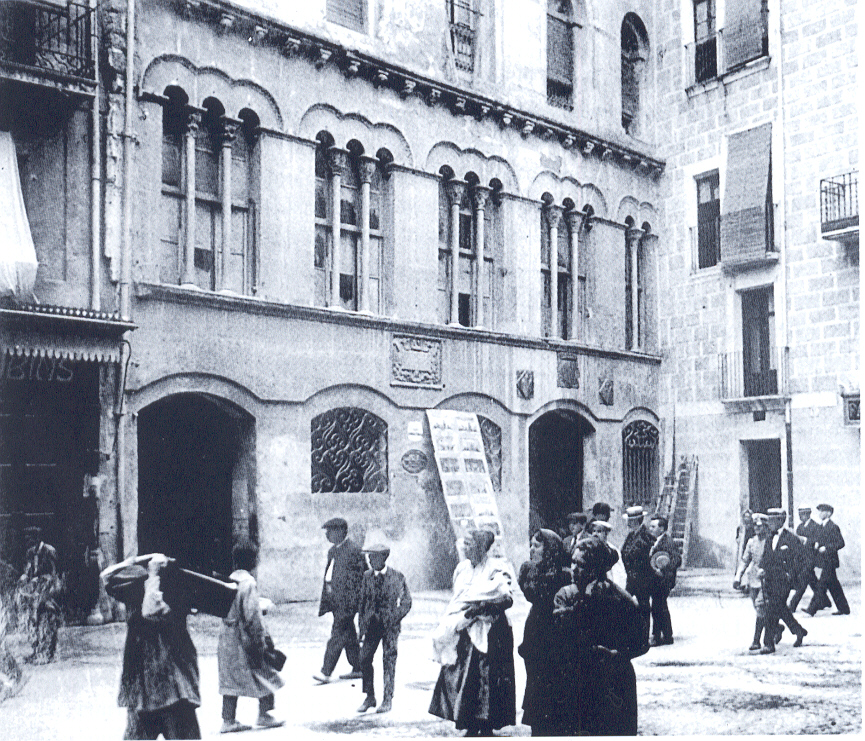
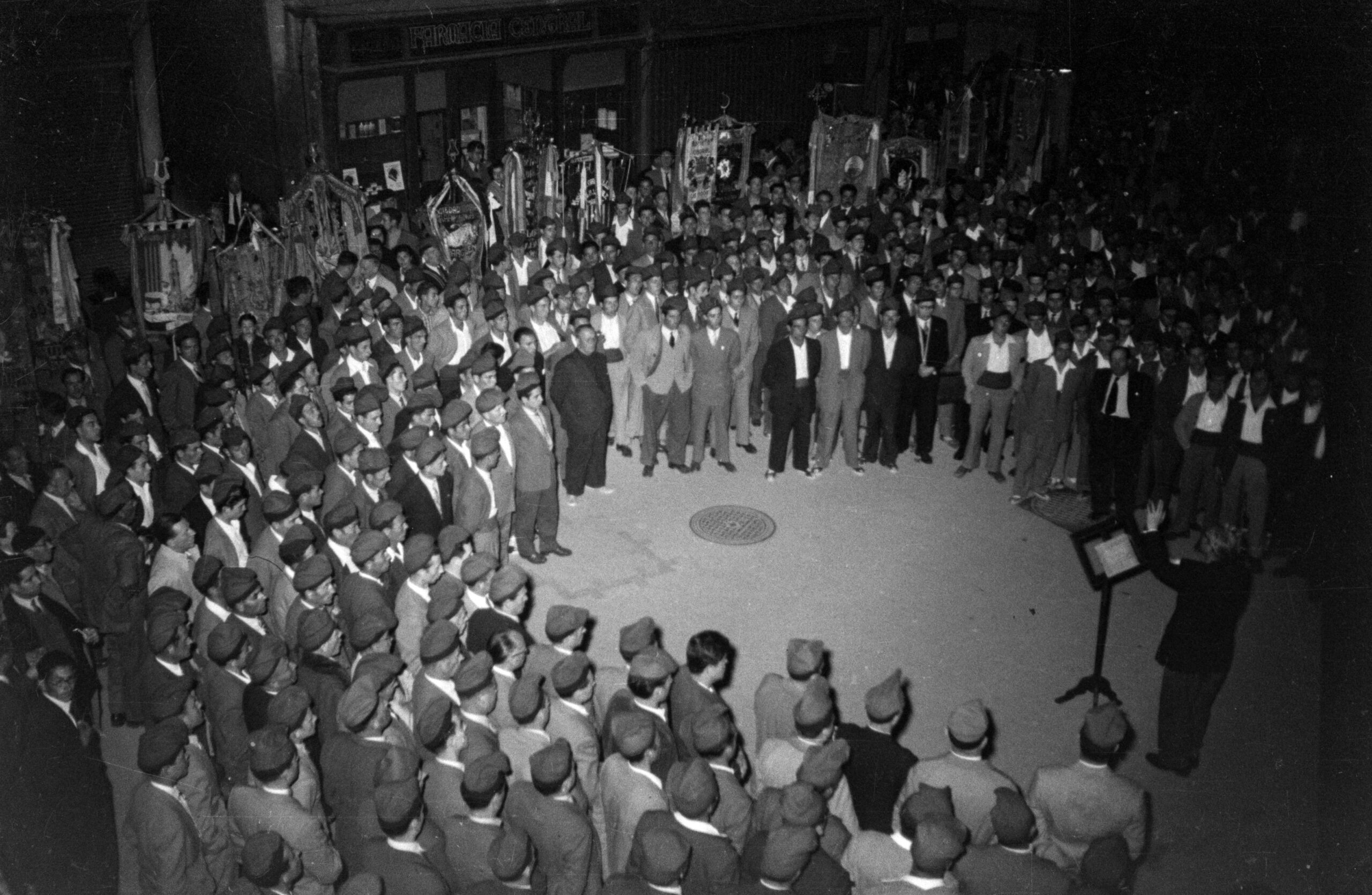
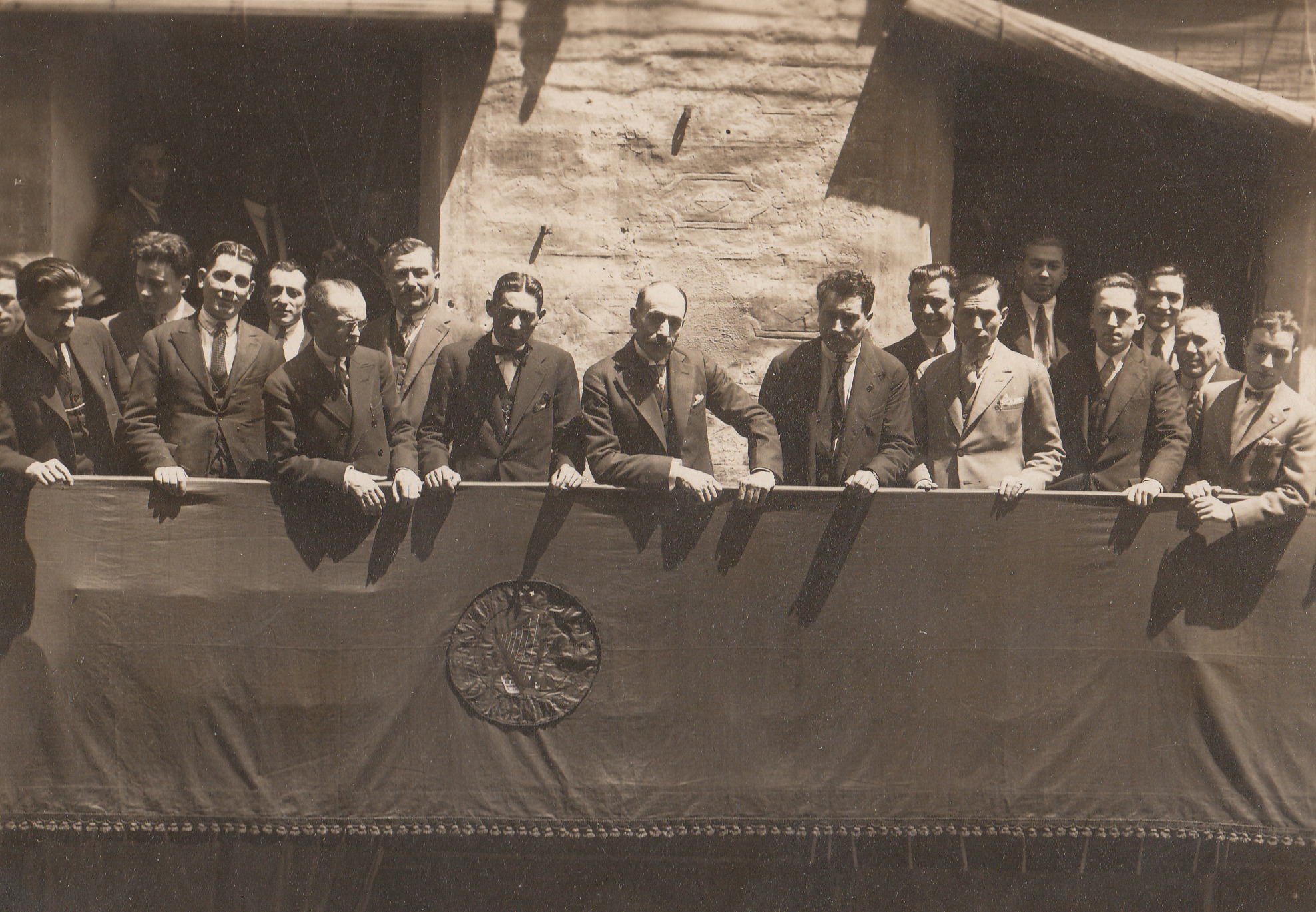
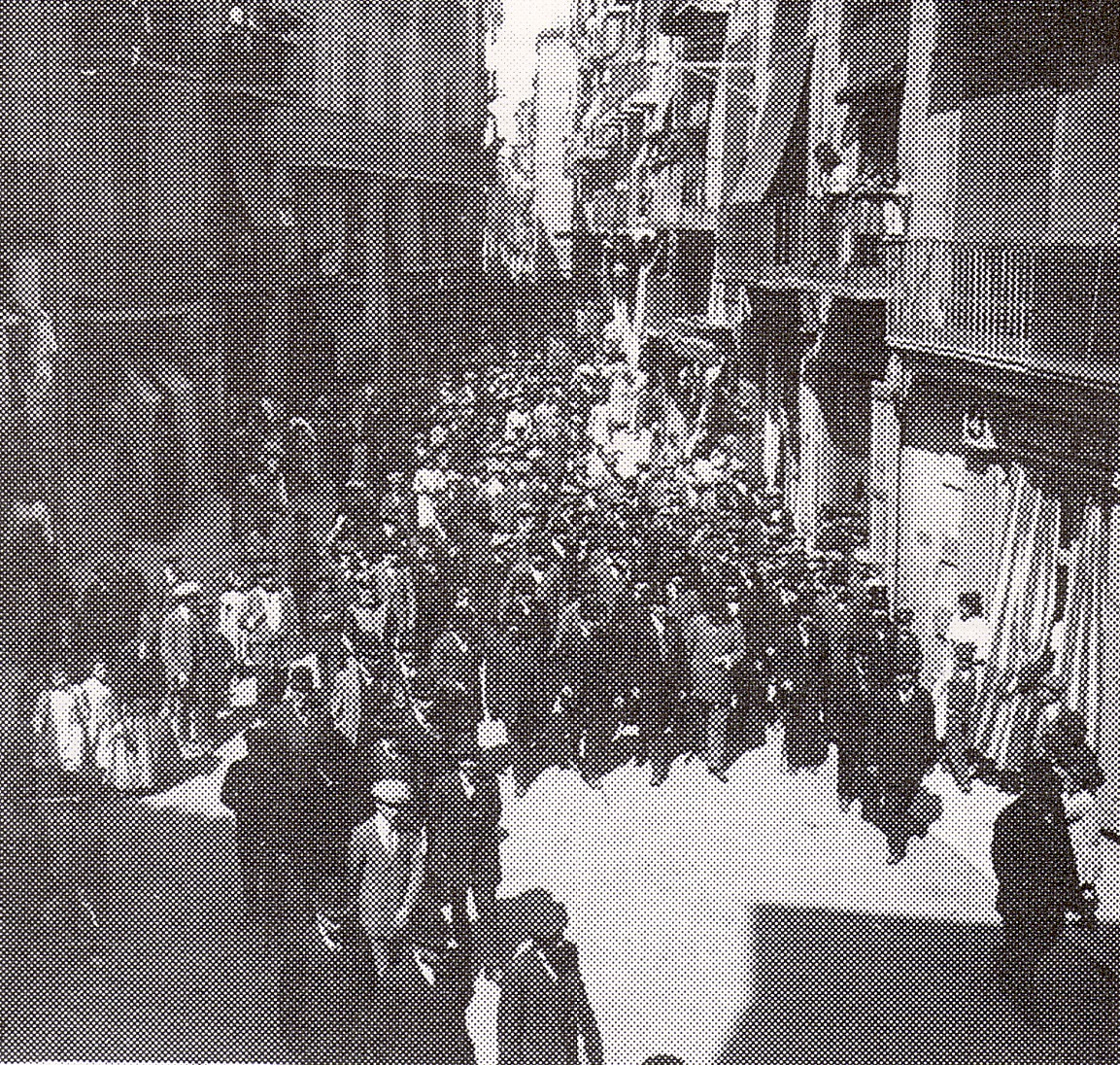
After Viñes’s solo concerts in 1908 and 1910, in 1911 a joint concert by Viñes and Granados was organised, which aroused great anticipation among the people of Lleida. That year, the procession that went to receive them at the station and accompanied them to the Town Hall was particularly large. The images correspond to their passage through Carrer del Carme and Plaça Sant Joan.
Start - Train Station
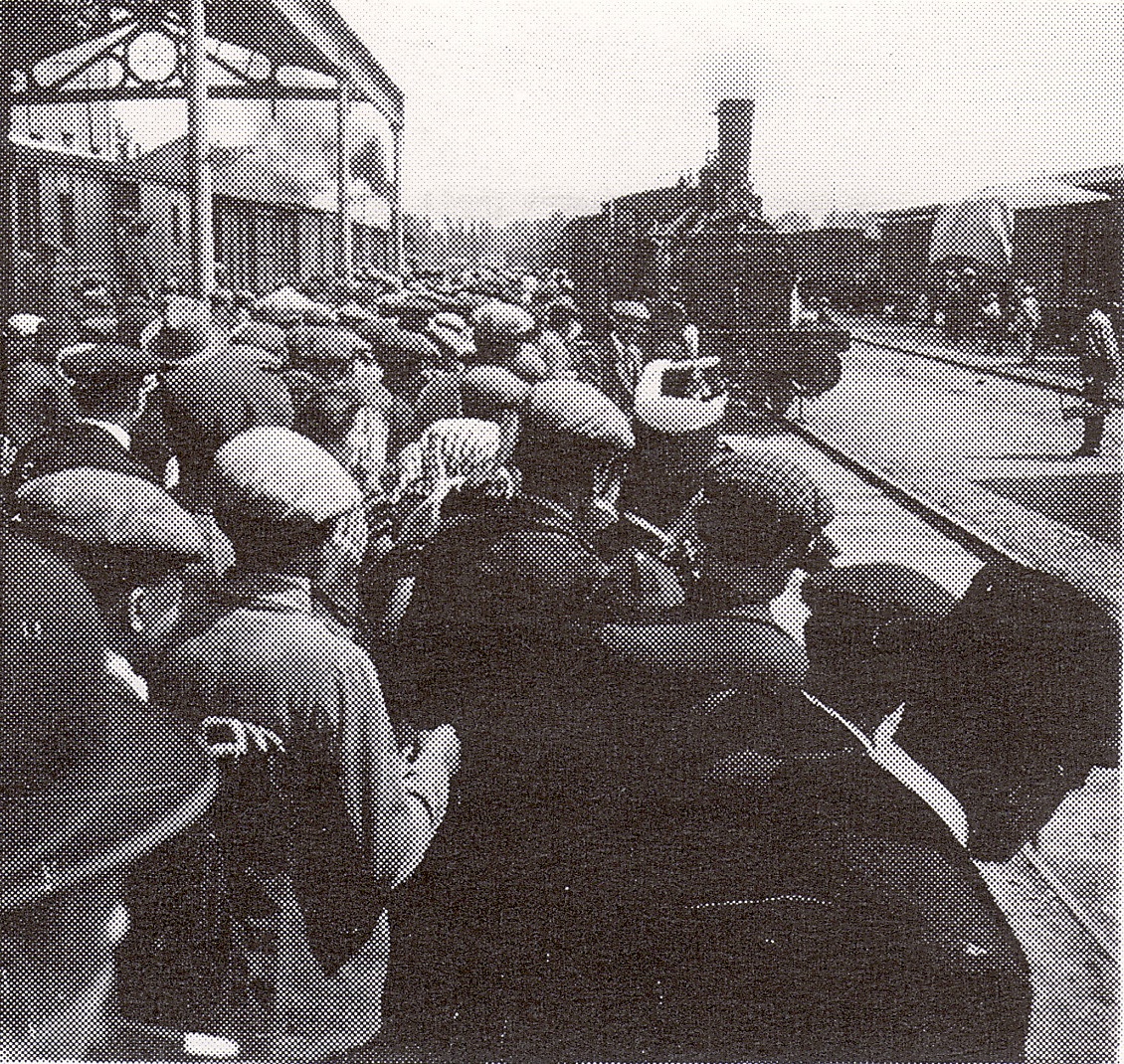
Reception of Viñes and Granados at the train station on 8 May 1911. On the platform, among many other people, were the mayor Mario Sol accompanied by various members of the City Council. The Band of the Navarra Regiment welcomed them by performing the pasodoble Conde Luxemburgo.
We place the start of the Viñes Route in front of the train station, although the current station is not the one Viñes knew, which was then located on the other side of the tracks, in the Pardinyes area. On each occasion, the press reported the specific train and Viñes’s arrival time. A large crowd gathered at the station, including authorities (mayor, councillors, civil governor, etc.) as well as Clavé choirs and choral societies displaying their banners. Accompanied by civil or military bands that had travelled there, the distinguished guest was received with all possible honours. From that moment on, a procession was formed that moved through the different streets like a parade. These streets, in response to the City Council’s calls, had been decorated. Not only those along the procession route, but also all the people of Lleida who came out onto balconies and terraces, turned each visit by Viñes into a special moment.
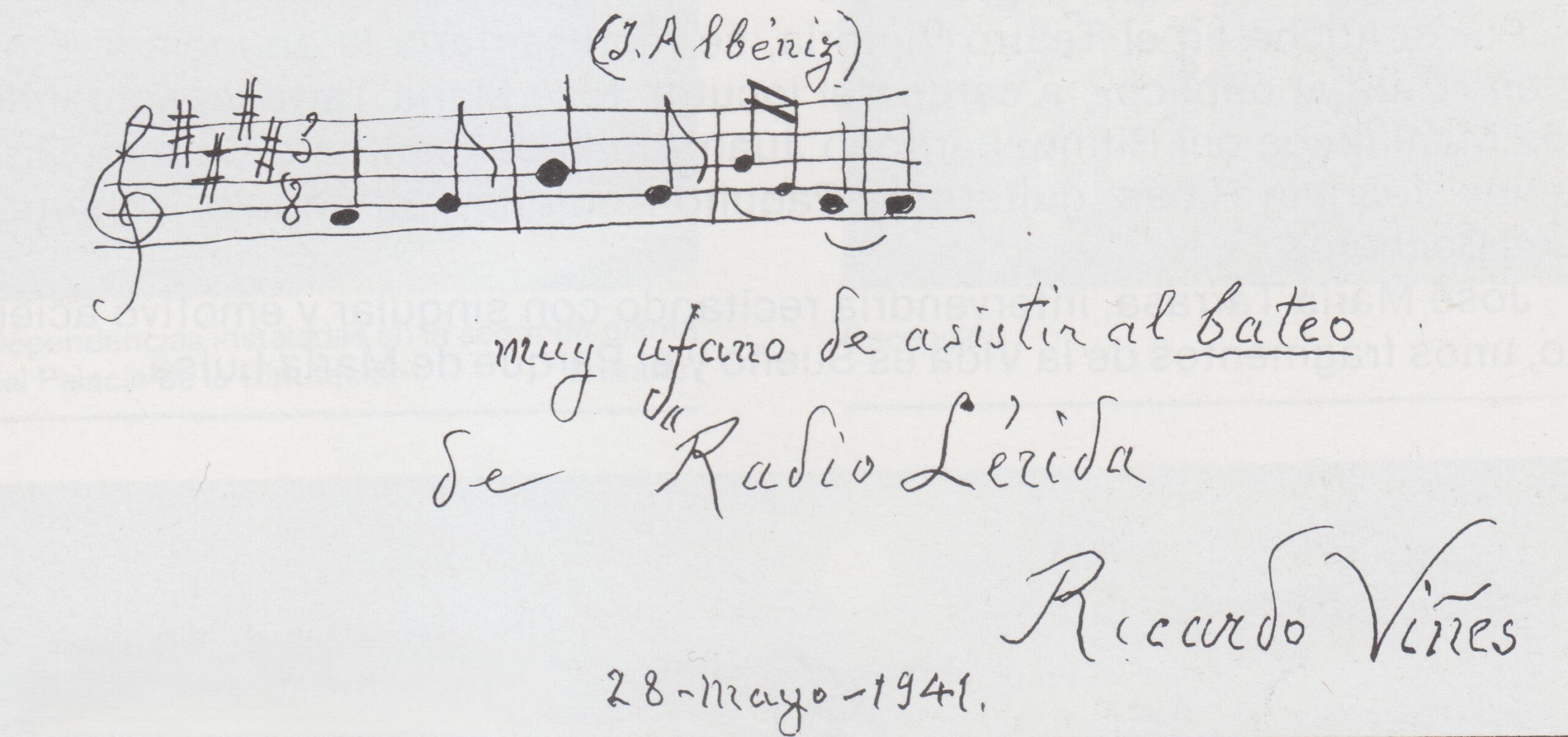
Signature in the book of honour made by Viñes on 28 May 1941, at the time of the inauguration of the Ràdio Lleida premises on Vila Antònia Street.
On the route to the next stop in front of the Provincial Council building, there is another space we would like to highlight: the Ràdio Lleida studios, located very nearby on Vila Antònia Street. Although before the war the station had occupied other premises, in 1941 the current studios were inaugurated in an event that featured the participation of Ricard Viñes. He was in charge of the inaugural performance, playing the well-known piece Torre Bermeja by Isaac Albéniz.
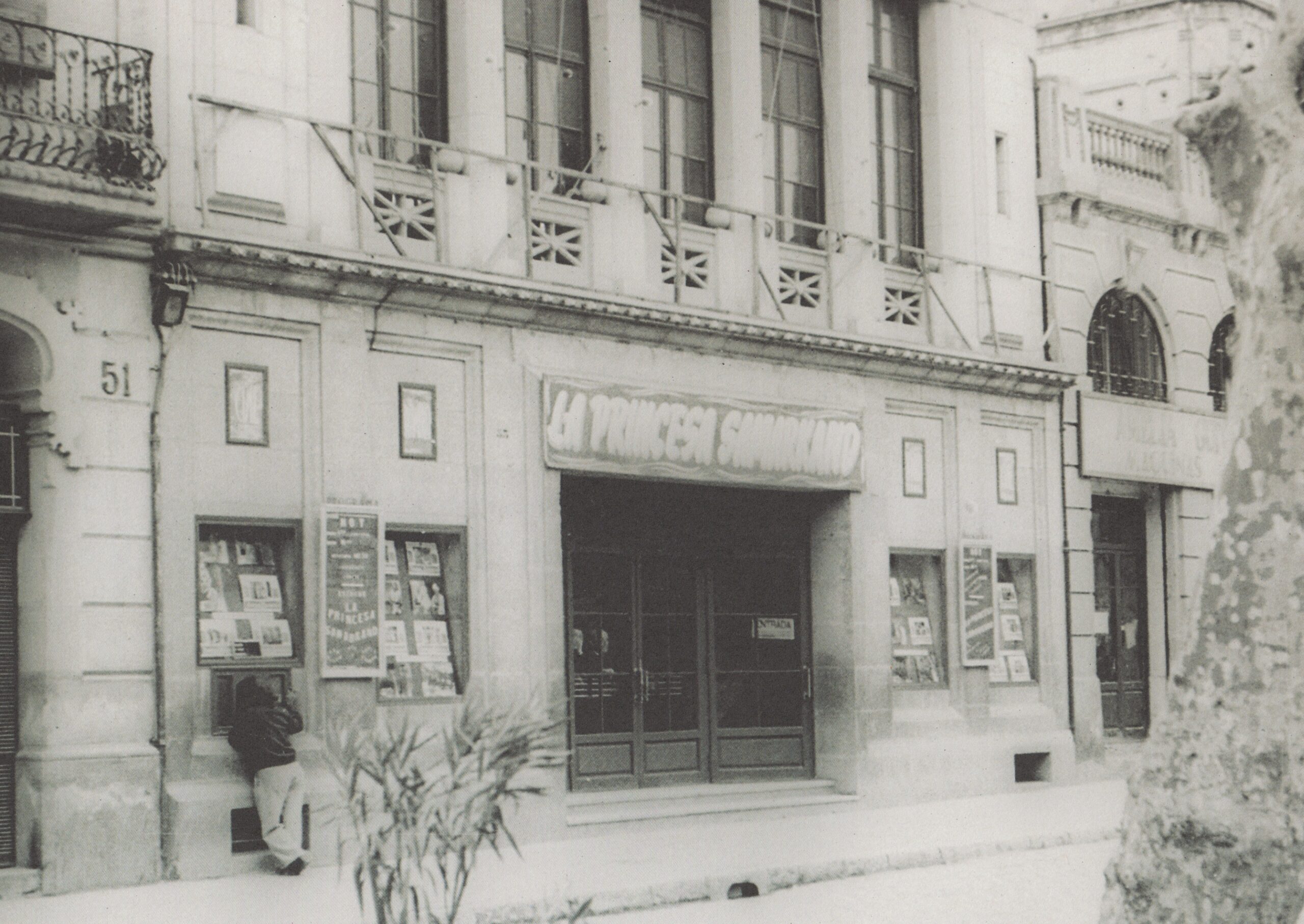
The Teatro Cinema Rambla was inaugurated on 10 May 1932. At that time, it was the best-equipped venue in the city, with all the machinery capable of projecting exclusively sound films.
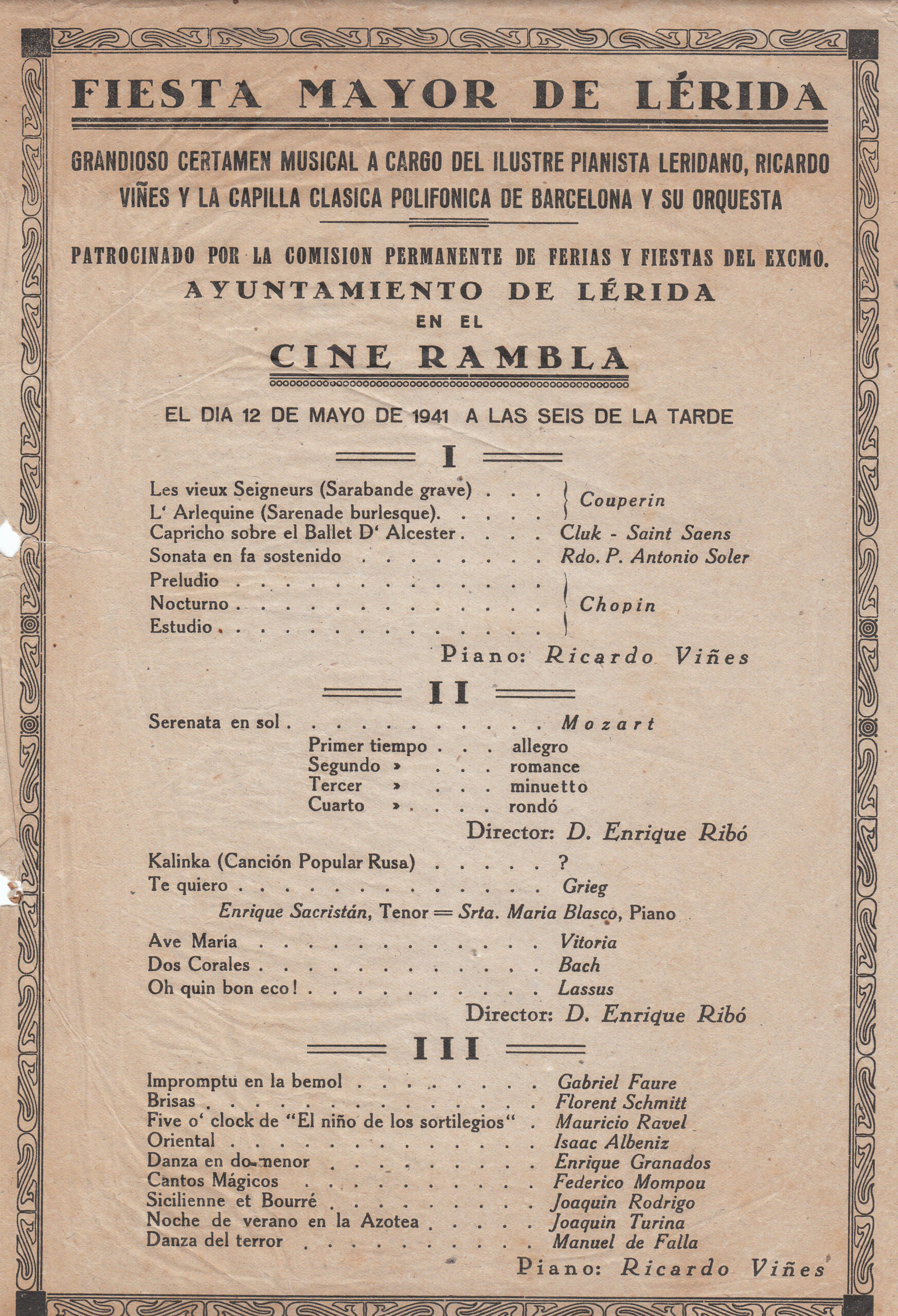
Likewise, without leaving Rambla Ferran and very close to the current Provincial Council building, there once stood the Cinema Rambla. In May 1941 Viñes gave one of his last performances in our city there. It was a Festa Major concert where Viñes, together with the Capella Clàssica Polifònica de Barcelona conducted by Enric Ribó, performed a programme that included works by Fauré, Ravel, Albéniz, Granados, Mompou, Rodrigo, and Falla.
1st Stop - Provincial Council
The Provincial Council building resulted from the remodeling of the former hospice built at the Hospital del Sant Esperit. The architect Celestí Capmany was in charge of the project, and the new building was inaugurated in 1898.

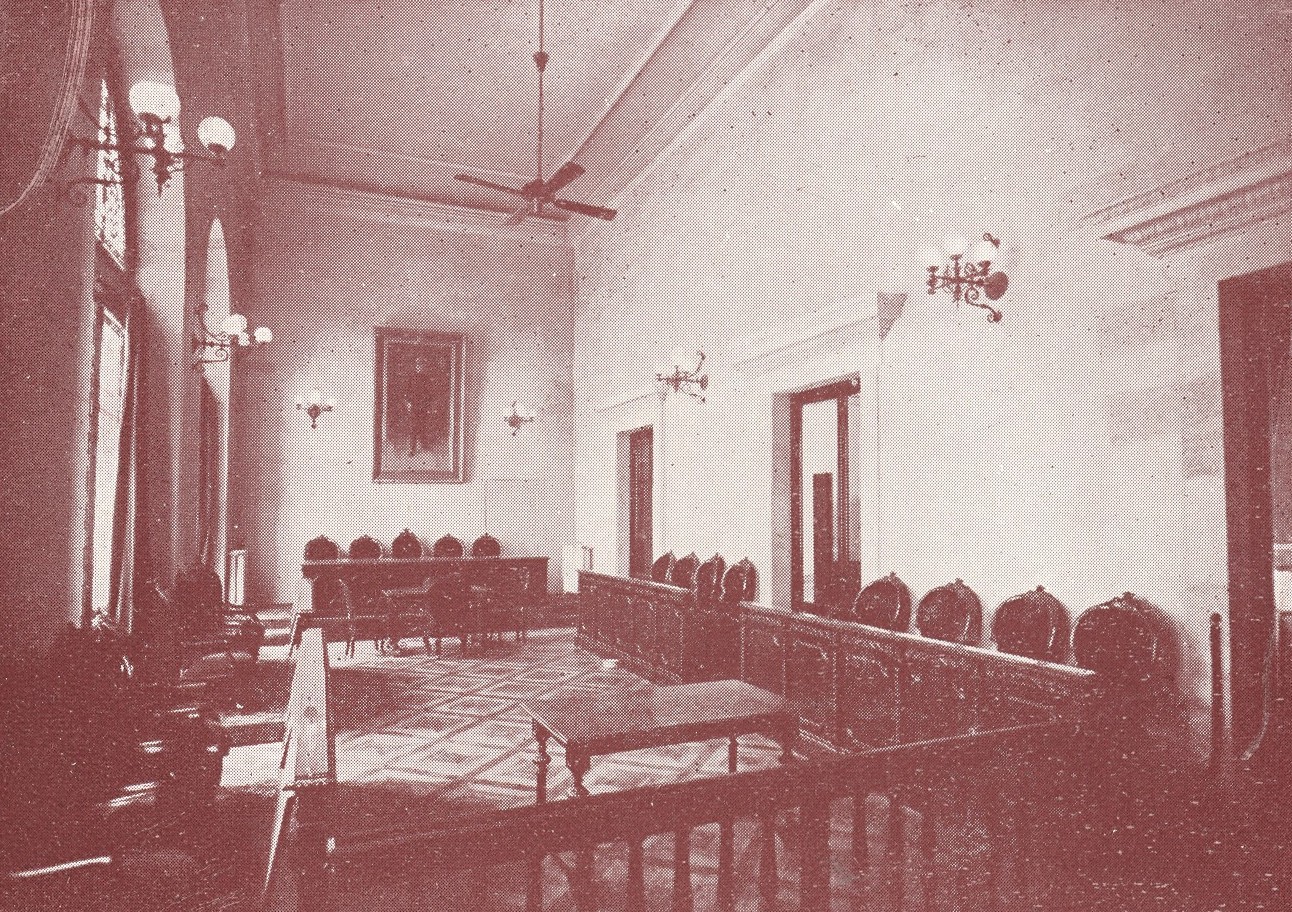
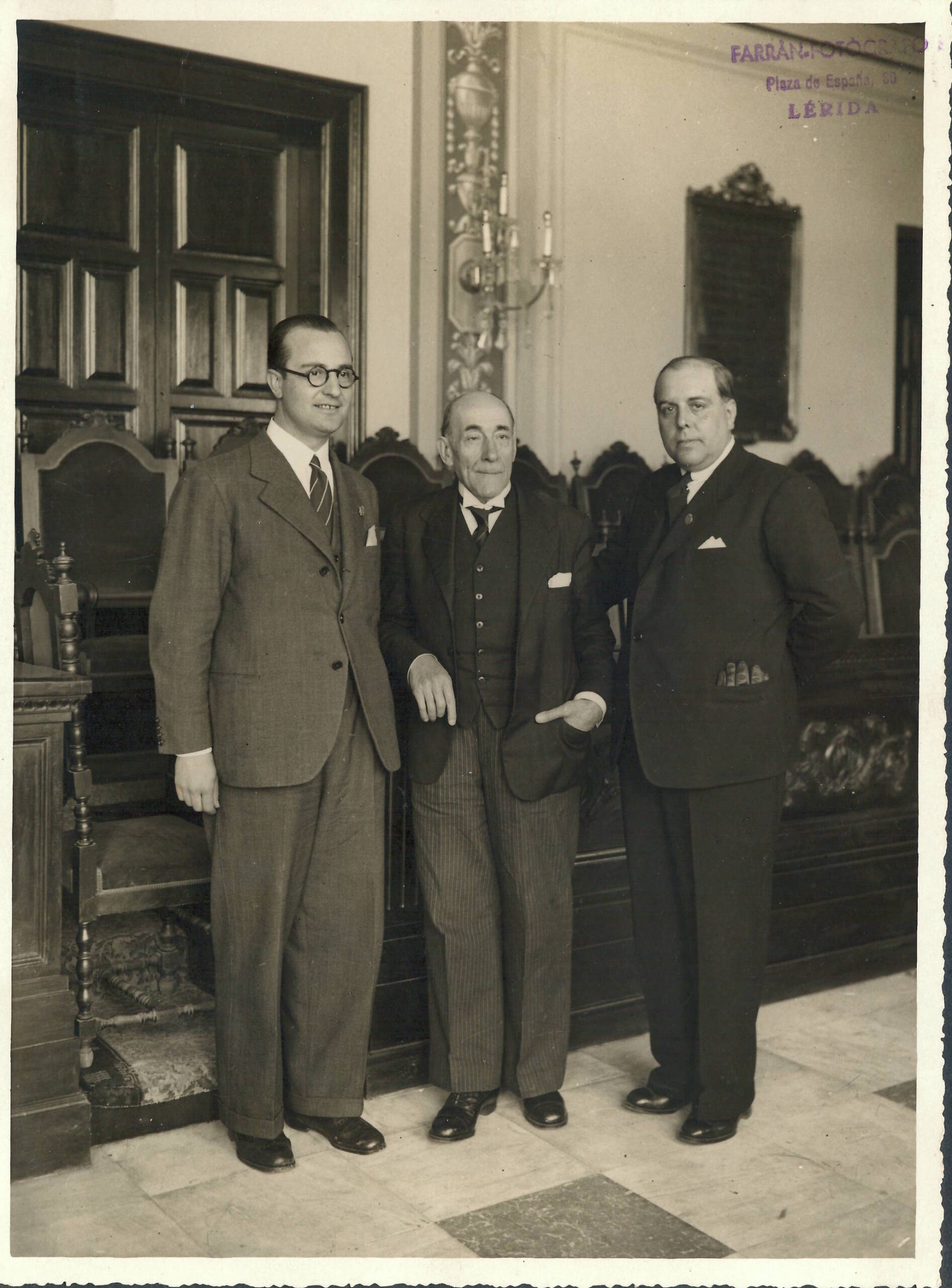
The Plenary Hall of the Provincial Council building was on several occasions the setting for tribute events to Viñes. A good example is the awarding of the Commander of the Royal Order of Isabella the Catholic, which was granted to him in 1927. Viñes used to stop by to greet the various presidents of the institution, who on many occasions invited him to official events and banquets and also took part in all kinds of celebrations organised by the City Council. He was often given gifts that Viñes carefully kept in his apartment in Paris, as mementos of his city.
Casa Sauses, for generations the property of Ricard Viñes’s maternal family, located at the corner of Carrer Carme and Carrer Magdalena, just opposite the Provincial Council of Lleida.
Right in front of the Provincial Council building, located between Carrer Carme and Carrer Magdalena, the Casa Sauses still stands today, easily recognisable by its reddish ceramic brickwork in the Aragonese style. The building was the ancestral home of Viñes’s maternal grandmother, M. Teresa Vives Sauses. The house had belonged to the family for many years and had hosted the workshop of several generations of blacksmiths. According to legend, one of them may have been the author of the well-known Serraller Balcony, which today adorns the building opposite the Provincial Council, although it originally formed part of a nearby house on Carrer Carme. In any case, Viñes’s maternal family traditionally lived in the Magdalena district and celebrated many of their weddings and baptisms in the small chapel of Sant Jaume on Carrer Turull, as well as in the church of Sant Joan, which became the parish church of the neighbourhood after the destruction of the former Magdalena church during the explosion of the gunpowder magazine of the Seu Vella in 1812.
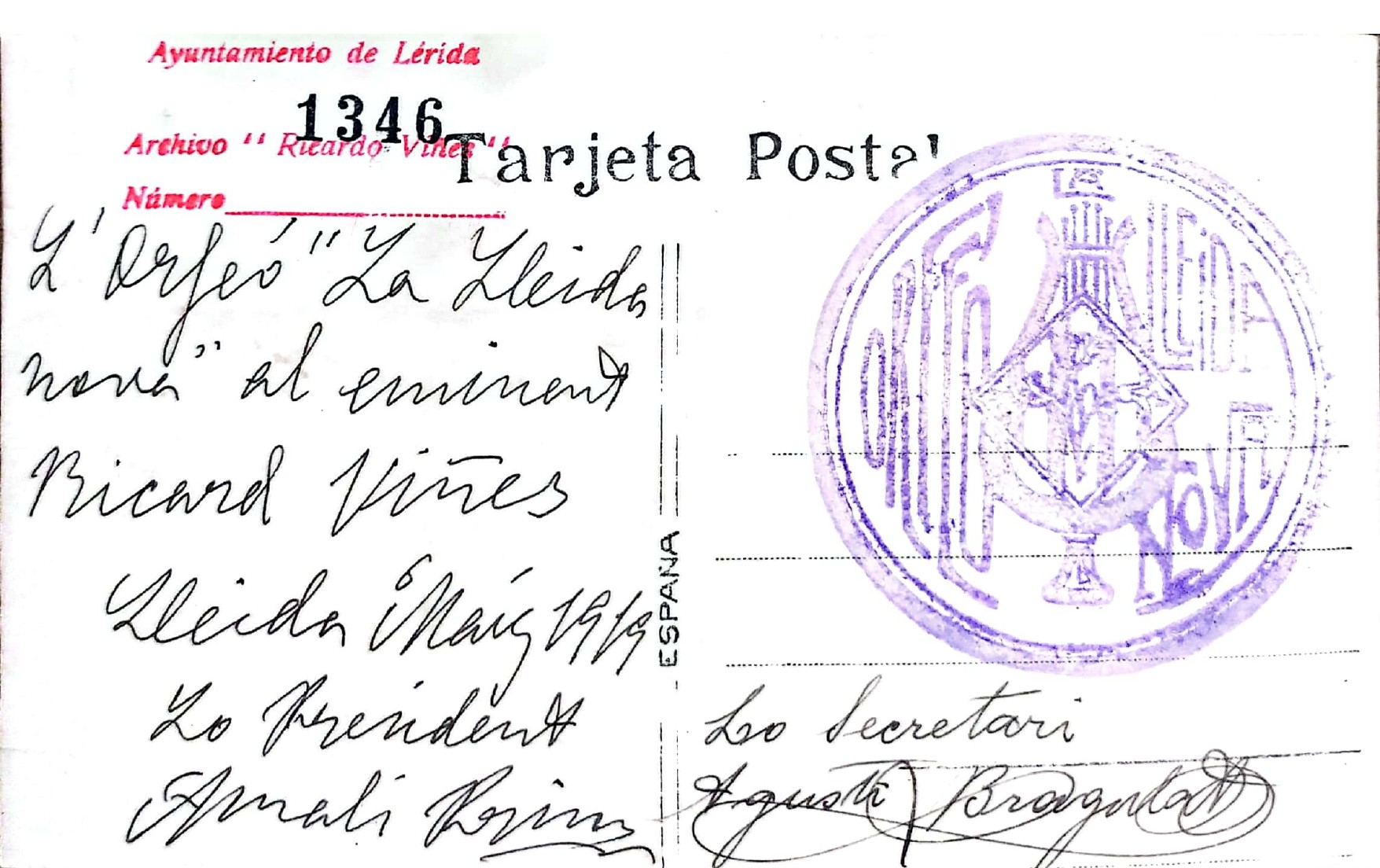
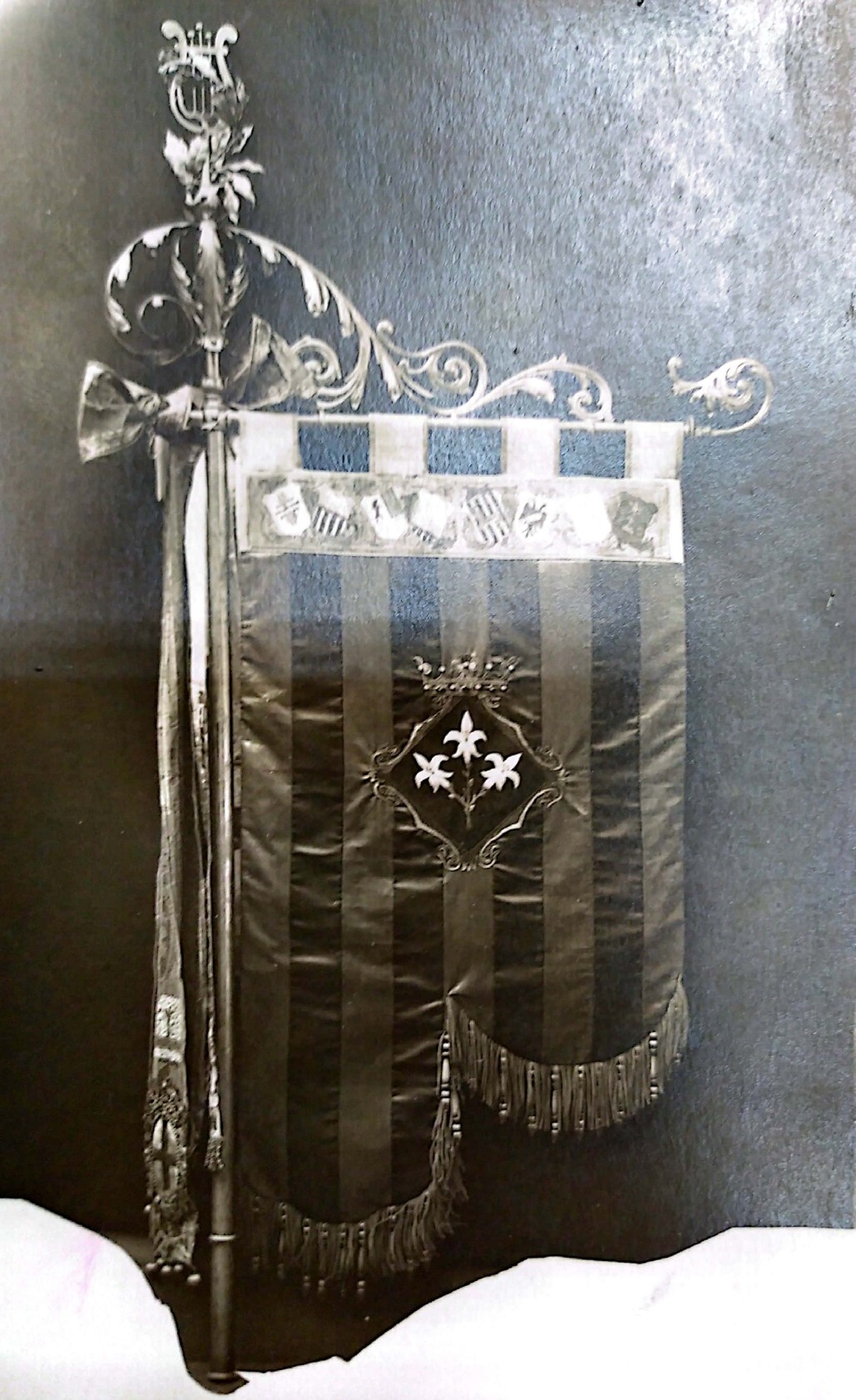
Postcard that Amali Prim, president of the Orfeó Lleida Nova, gave to Viñes on the occasion of his visit to the venue in May 1919. The front shows a reproduction of the organisation’s banner, and the reverse contains the dedication.
A little further on, at Carrer Carme no. 3 and just in front of the Pujada de la Trinitat, there is a large house with arcades built in the 1930s. The demolished building once housed, on its first floor, a spacious premises of the Orfeó Lleyda Nova in the early 20th century. The venue had a stage where various local singers and others who had come specifically from elsewhere performed numerous zarzuelas. It was precisely here that in 1919 Viñes was received by the choir members of the orfeó, attended a rehearsal, and was appointed honorary conductor by the choir’s president, Amali Prim.
2nd Stop - Plaça Paeria
In all of Viñes’s visits to Lleida, the Town Hall (Paeria) was the place where official and protocol receptions were held, while simultaneously, outside in the square, Clavé choirs and choral societies from the city gathered to pay tribute to him.
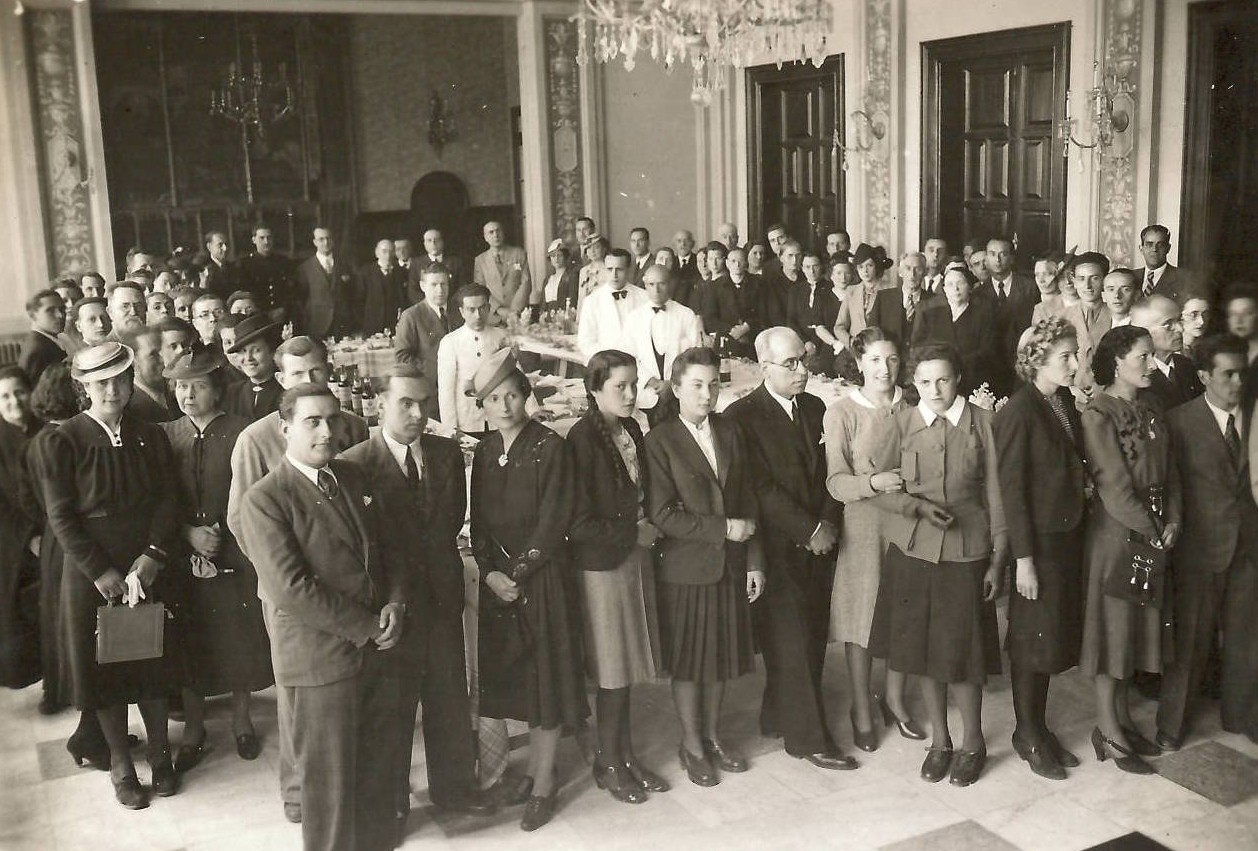
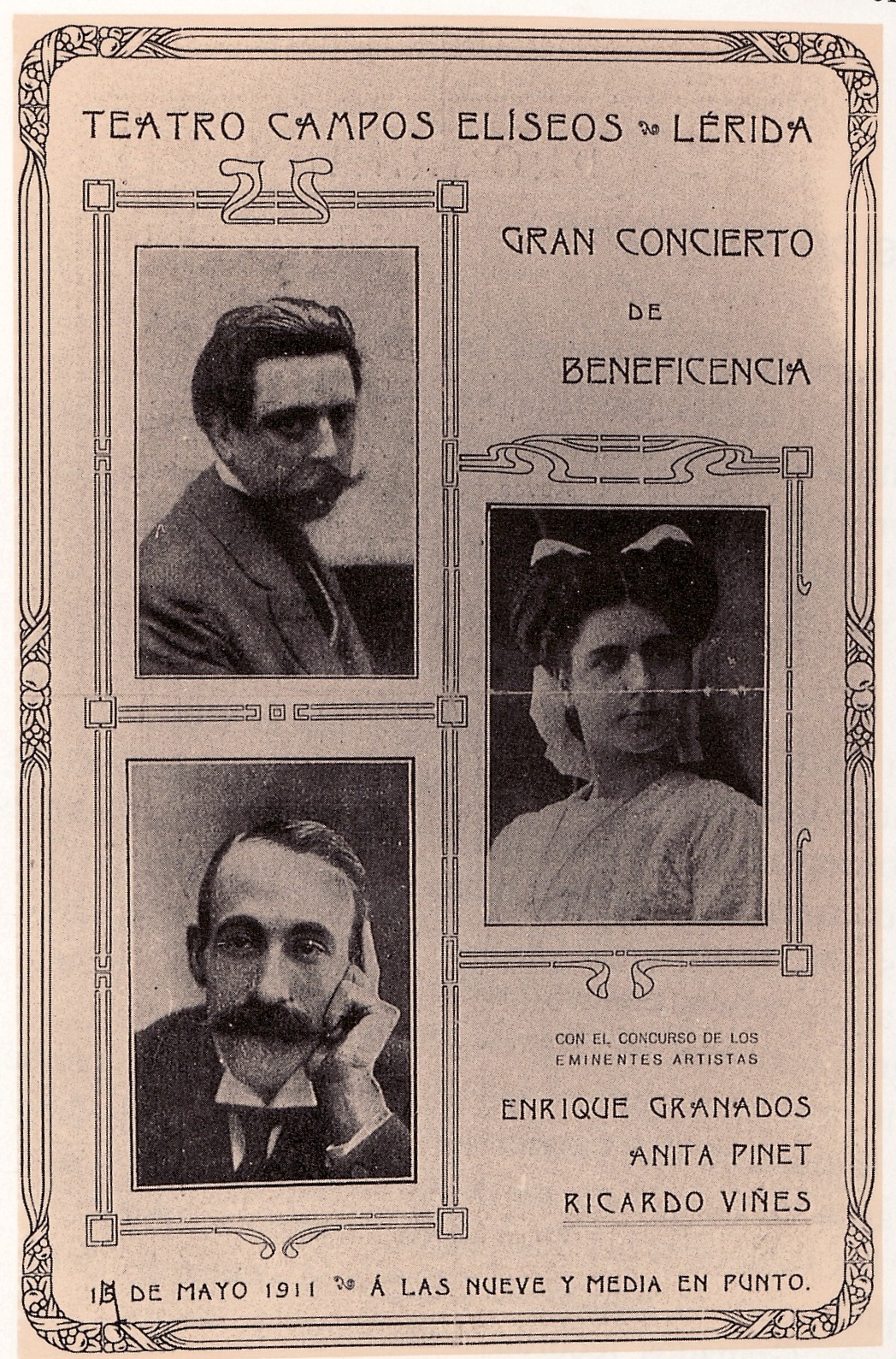
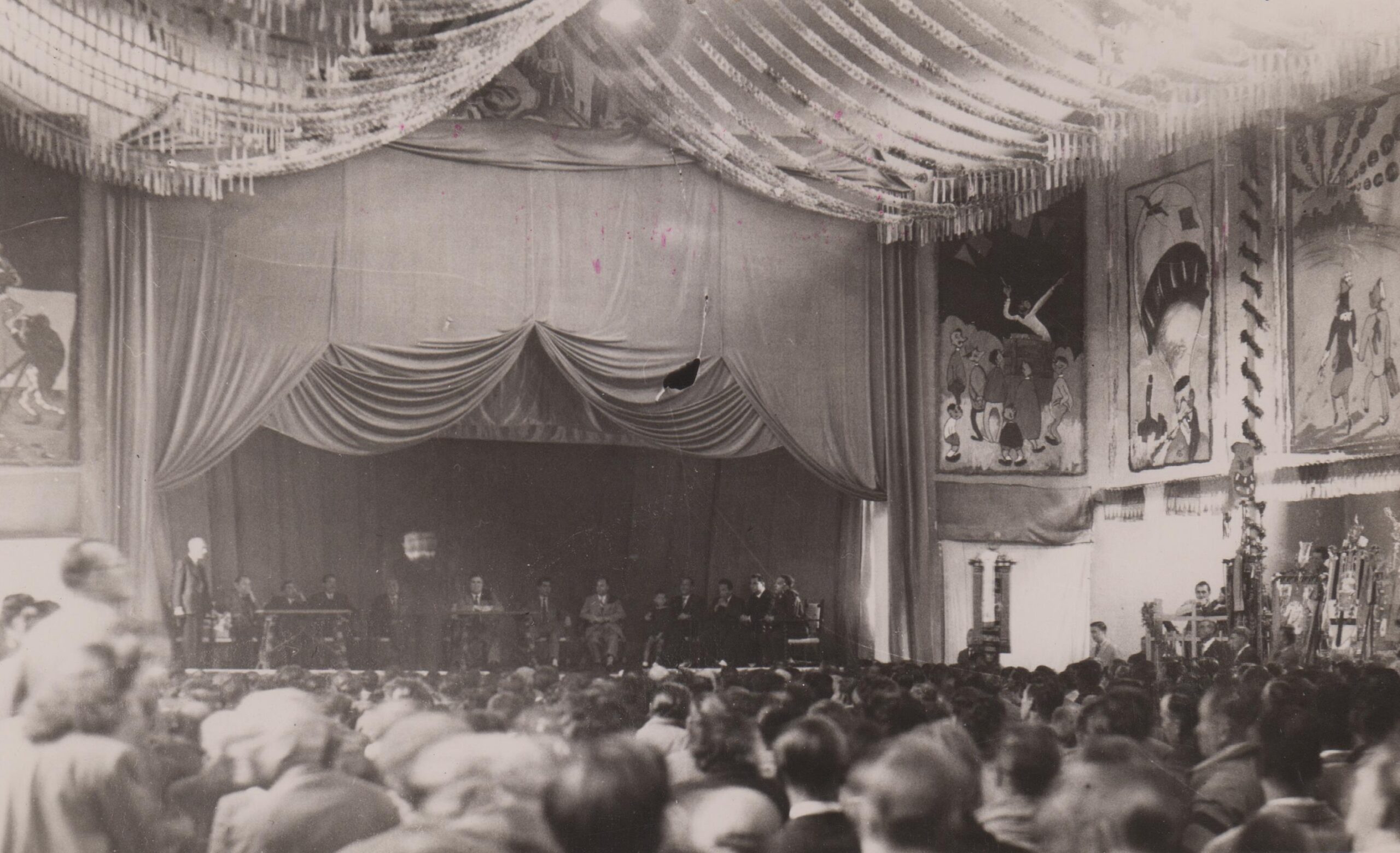
If we follow the route through Plaça de la Sal, Plaça Sant Joan, and the arcades, we reach Plaça Paeria, a privileged setting for many of Viñes’s stays in the city. The Town Hall’s Plenary Hall was the place where successive mayors held official receptions for the pianist, while outside in the same square, choirs and choral societies would gather to welcome him with singing. Particularly memorable is the tribute paid to him in 1911, when, together with Enric Granados, Viñes came to perform during the Festa Major. The Plenary Hall also hosted several official receptions and events, including his appointment as honorary director of the then Municipal School of Music—now the Conservatory—in 1941.
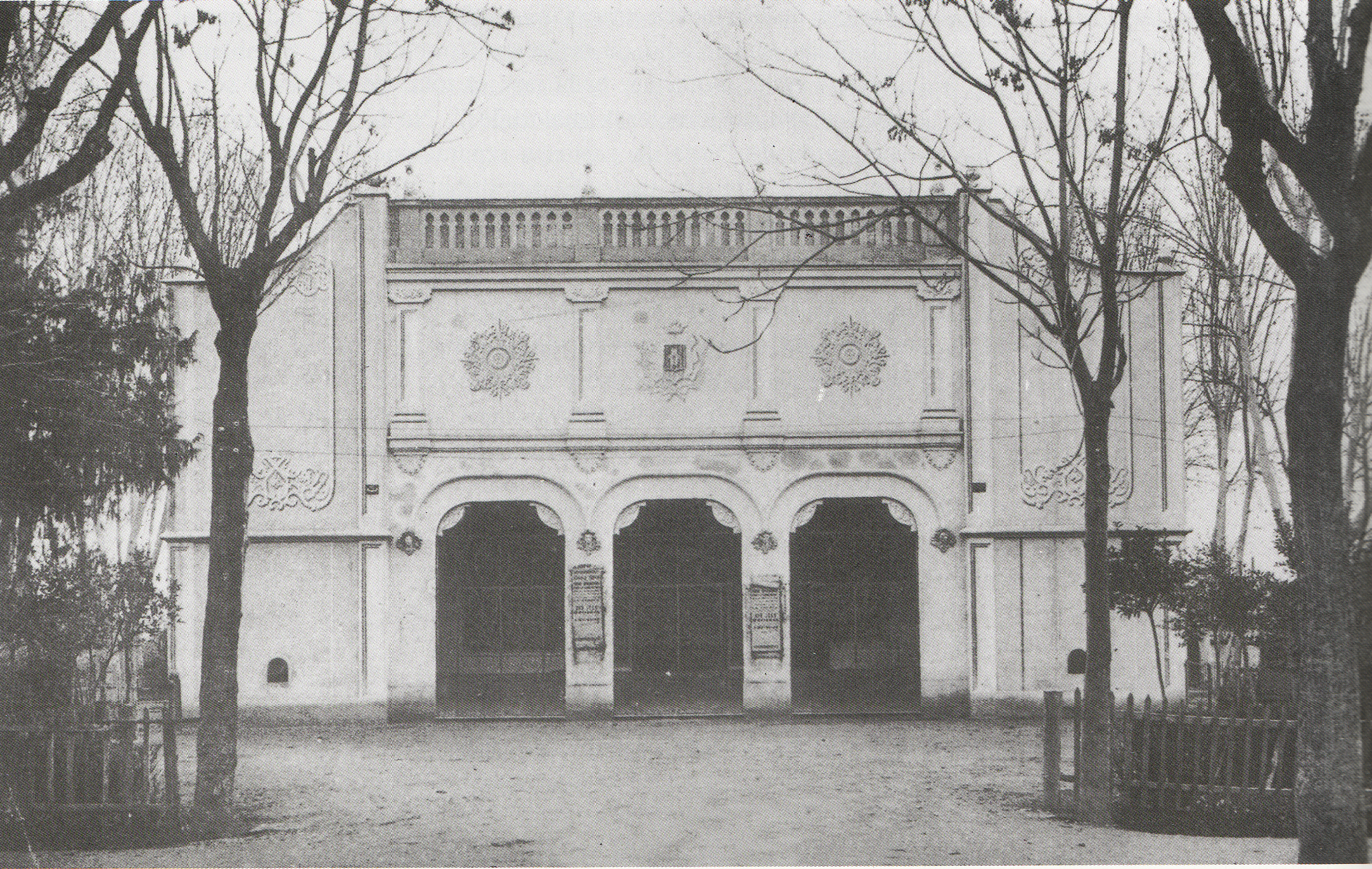
Until 1914, Viñes’s concerts, either solo or accompanied by other musicians (Granados, Pujol, Orfeó Nova Tàrrega…), were almost always held at the Teatro de los Camps Elisis. From 1916 onwards, they were also held in other theatres in the city.
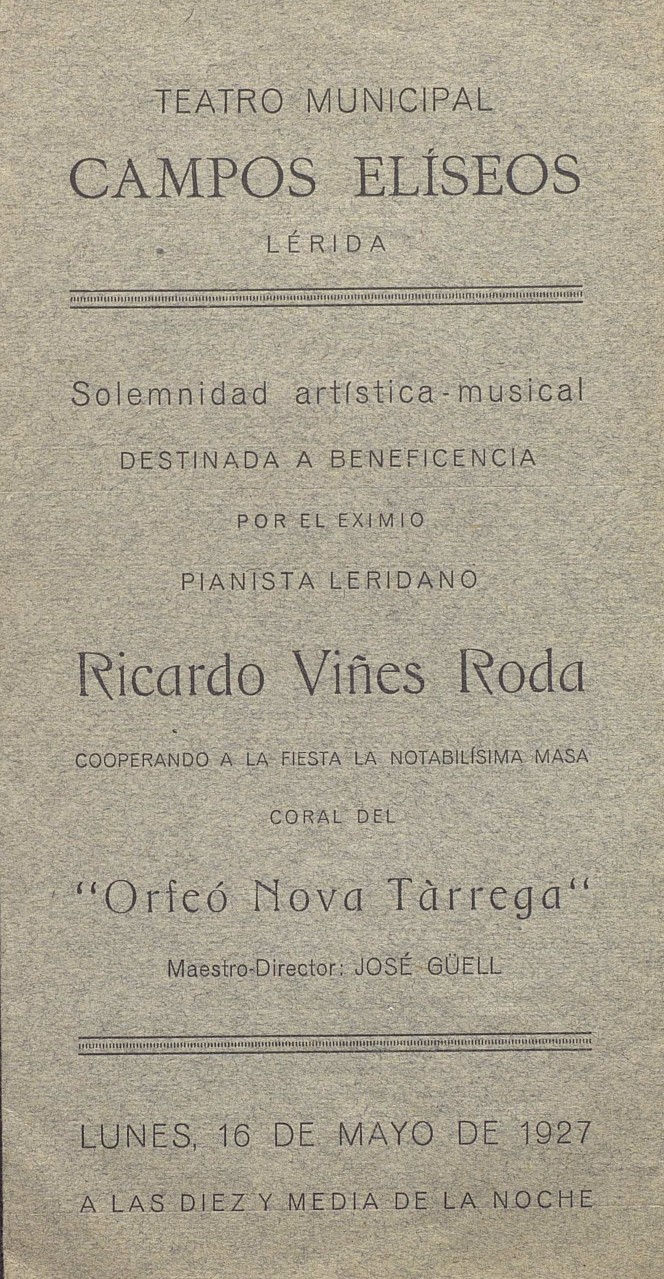
Although somewhat distant, located on the other side of the river, it is worth mentioning the many times Viñes performed at the Teatro de los Camps Elisis, on some occasions accompanied by Enric Granados (1911 and 1913) and also by Emili Pujol (1912), or by the Orfeó Nova Tàrrega conducted by Maestro Güell (1927). The building, integrated into the gardens inaugurated in 1864 by Mayor Manel Fuster, went through several stages. Viñes knew this building, which still stands today, although it is currently unused. Right next to the theatre, in the café, a banquet was held in 1910 organised by the Centre d’Art, during which Viñes was named honorary member of this Lleida concert society.
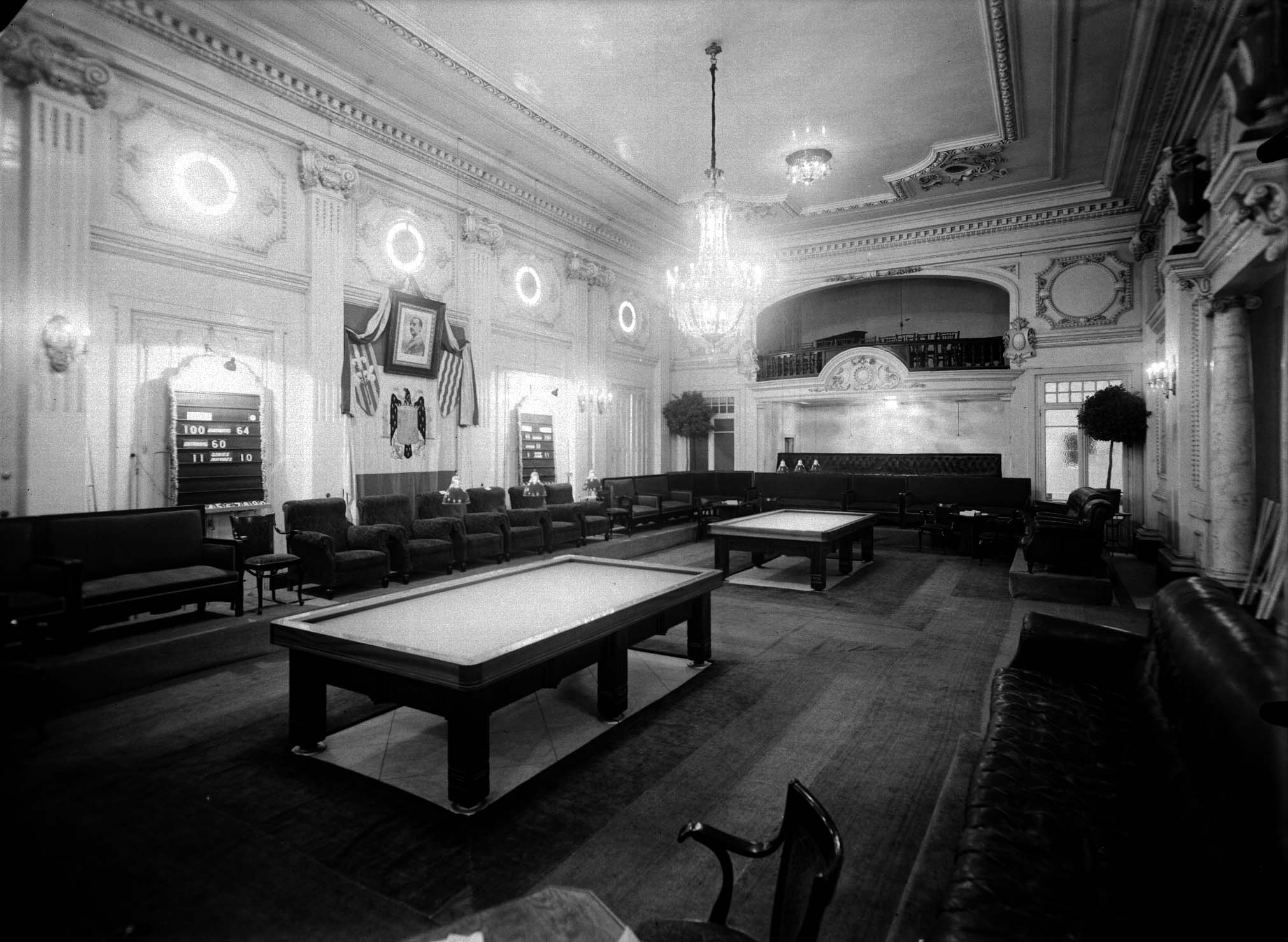
The Casino Principal, located on Carrer Major, was until the Civil War a regular meeting place for the bourgeoisie of Lleida. During his stays in Lleida, Viñes used to spend time there chatting and greeting friends and acquaintances.
If we continue along Carrer Major until we reach the birth house of the pianist from Lleida, we pass several places where Viñes stayed, such as the Casino Principal. Viñes regularly went there to chat and greet acquaintances and friends. On occasion, to satisfy the insistent requests of those present, he also played some pieces on the piano.
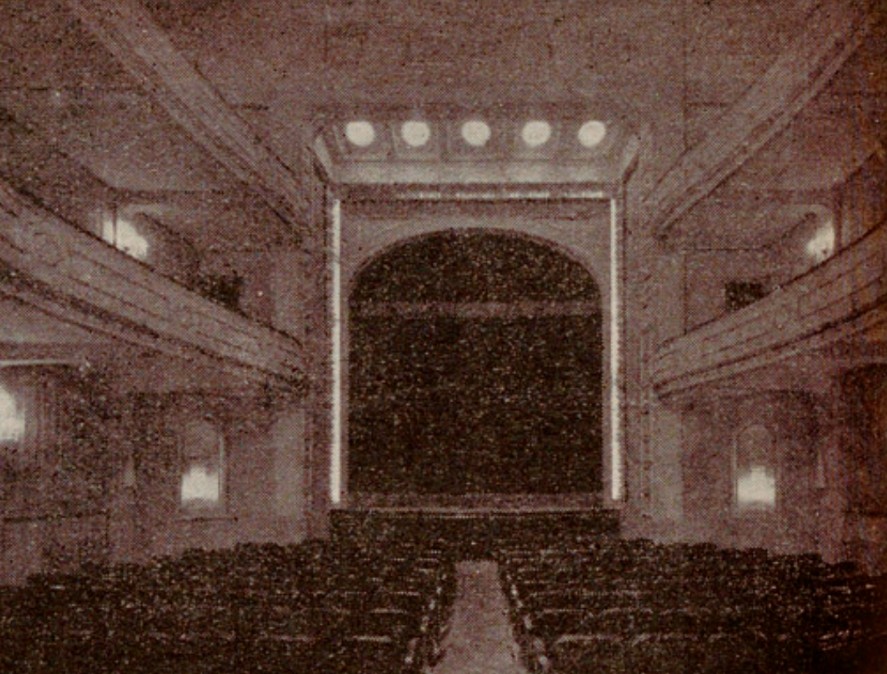
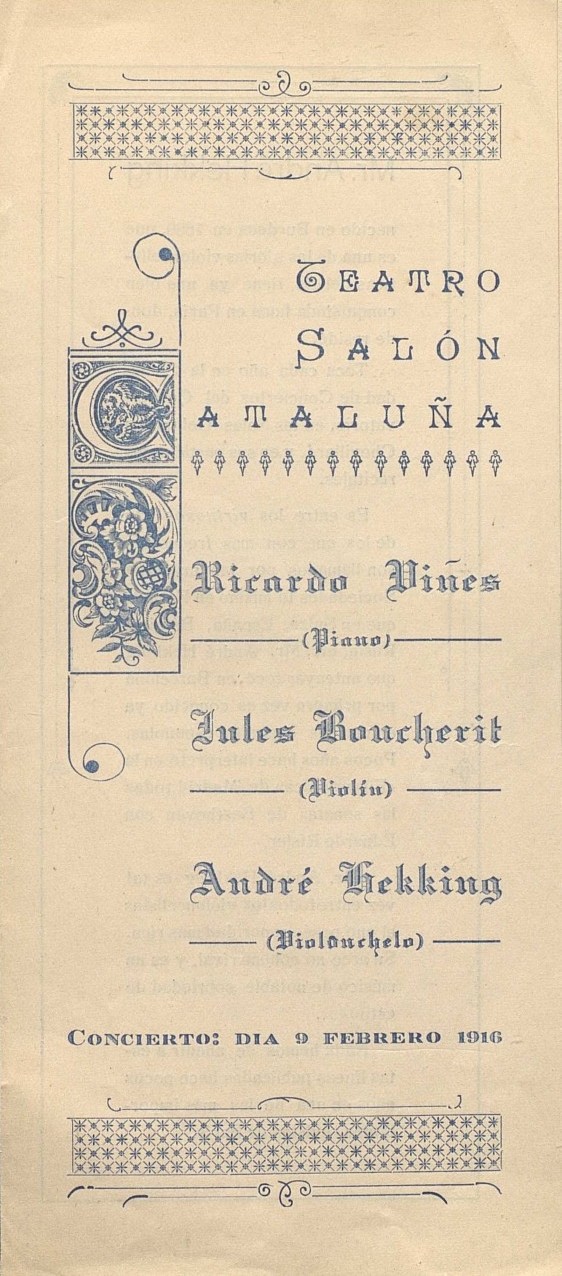
From 1916 onwards, Viñes performed in different theatres in the city, such as the Victoria Theatre, which received him on several occasions, or the Salón Nova Catalunya.
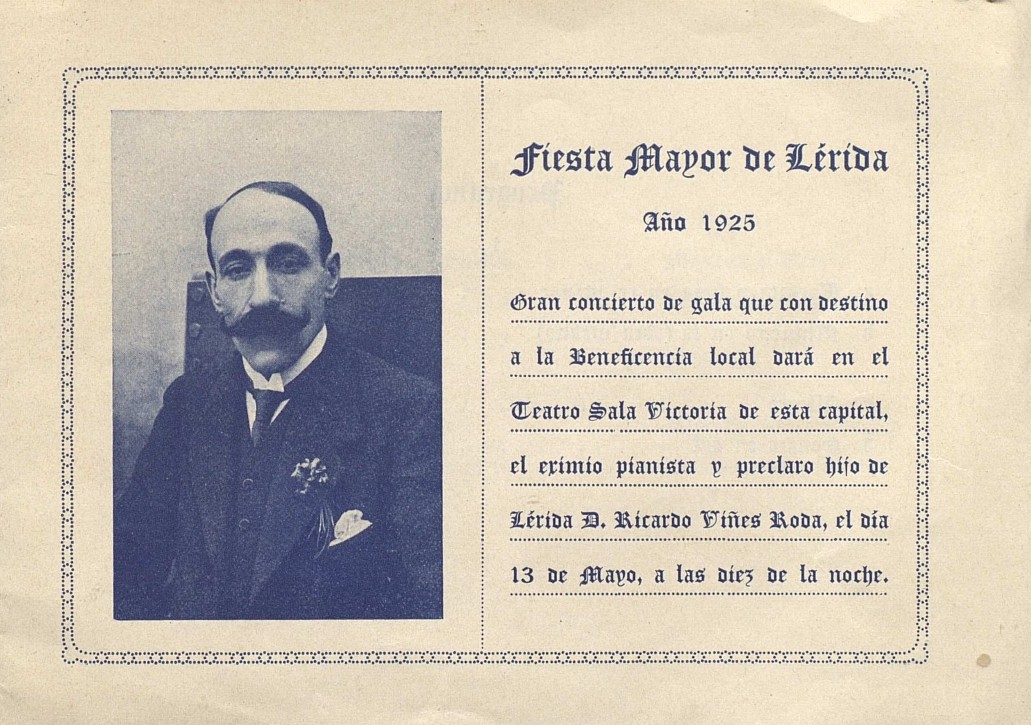
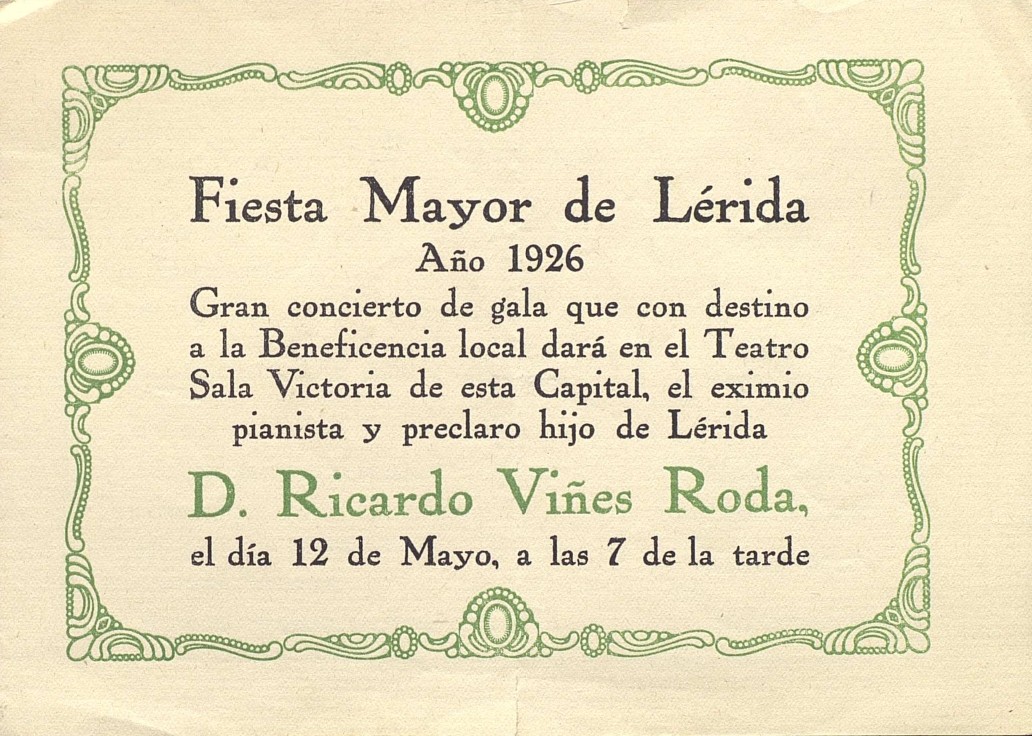
A little further on, in Carrer Cavallers, Viñes gave recitals on several occasions at the Victoria Theatre (1925, 1926 and 1941) and also stayed at the former Hotel Suís in 1916 to perform a concert right opposite, at the Salón Nova Catalunya. In addition, in 1927 he also visited the premises of the trade union La Unió Musical, located opposite the Victoria Theatre.
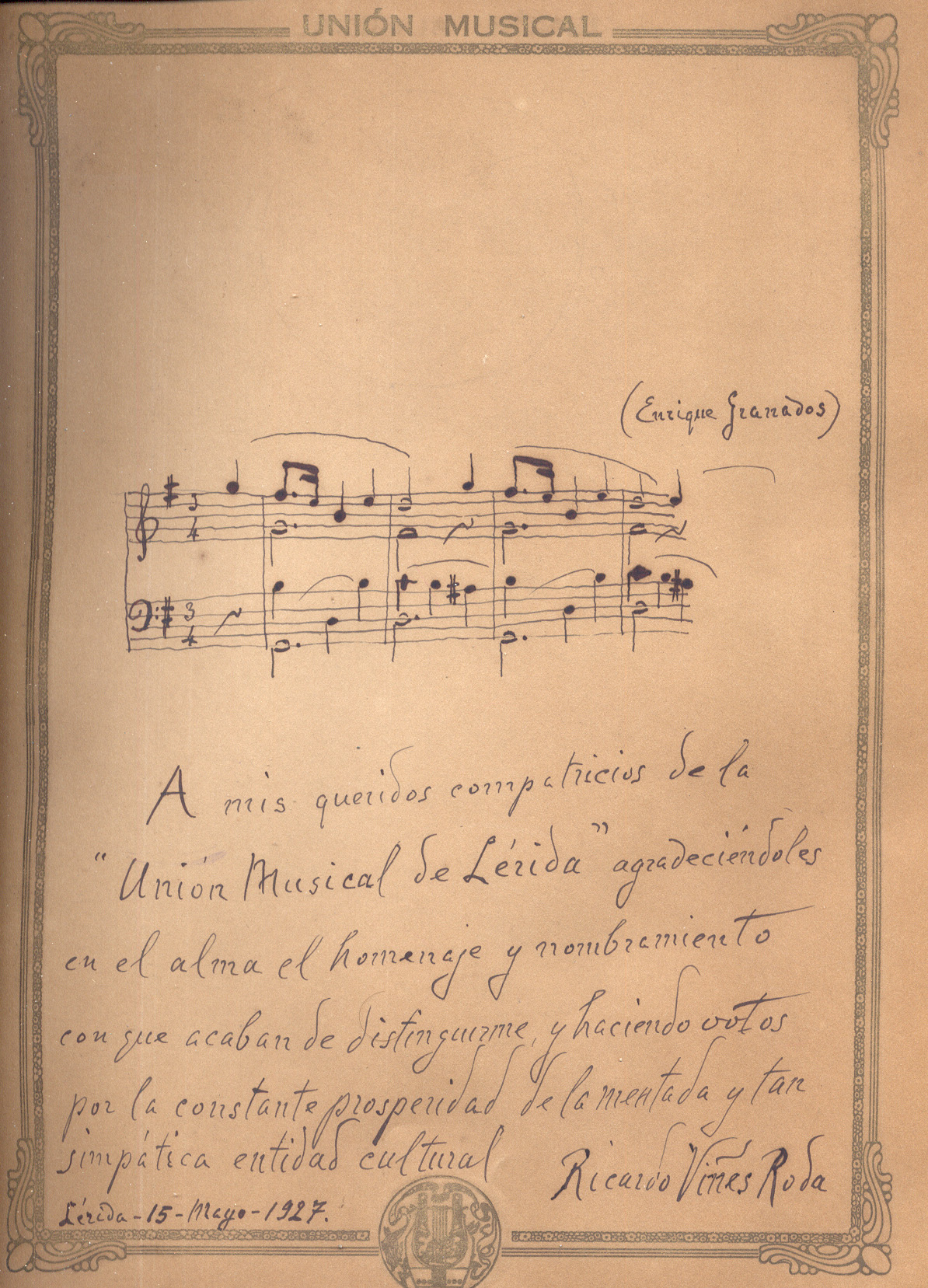
La Unió Musical was, from 1920 until the Civil War, the only trade union organisation that brought together the musicians of the city. In 1927, during his stay in Lleida, Viñes visited its premises on Carrer Cavallers and signed the book of honour with his signature and dedication.
3rd Stop - Birth House
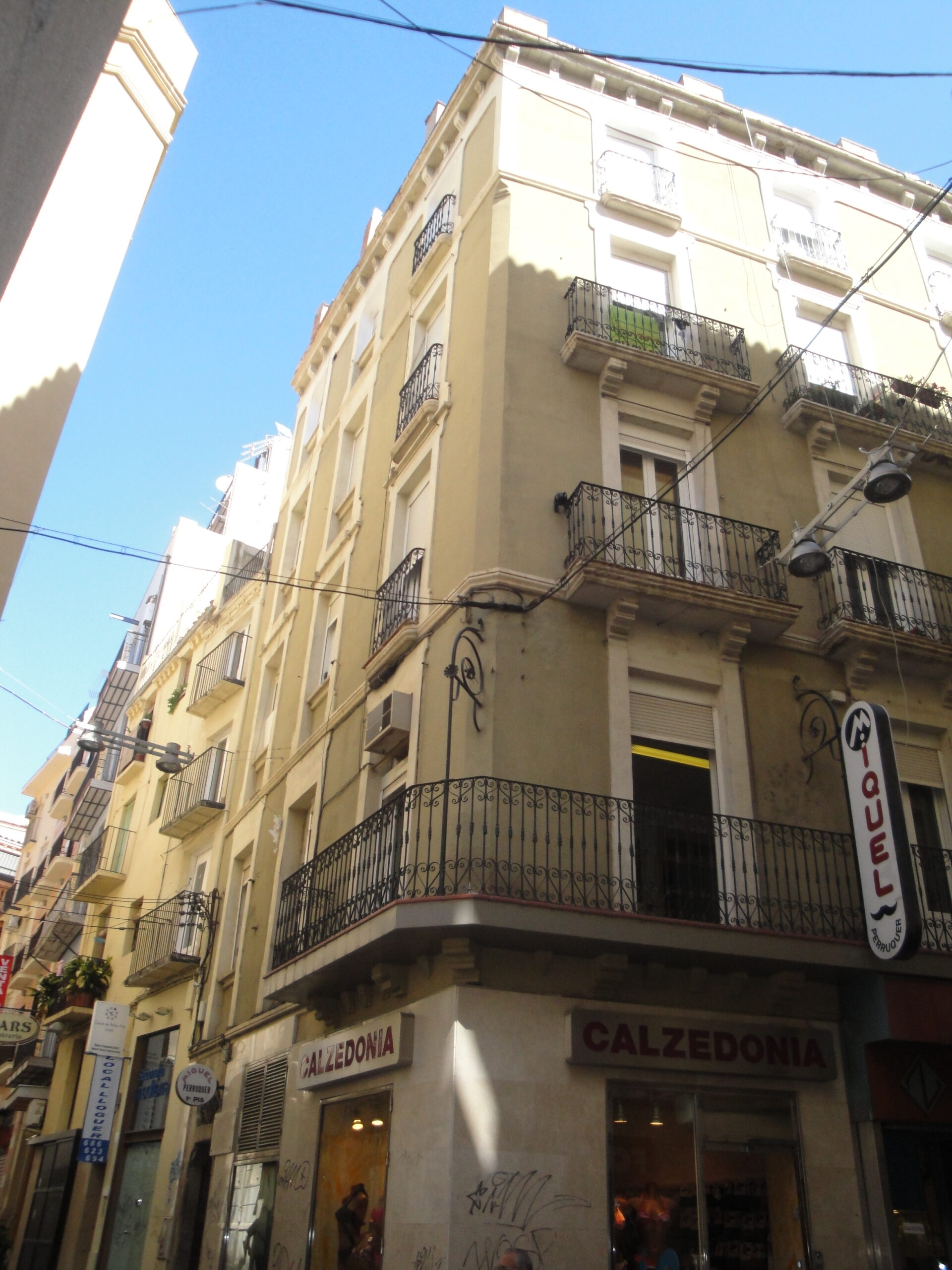
Intersection of Carrer Caldereries with Carrer Major.
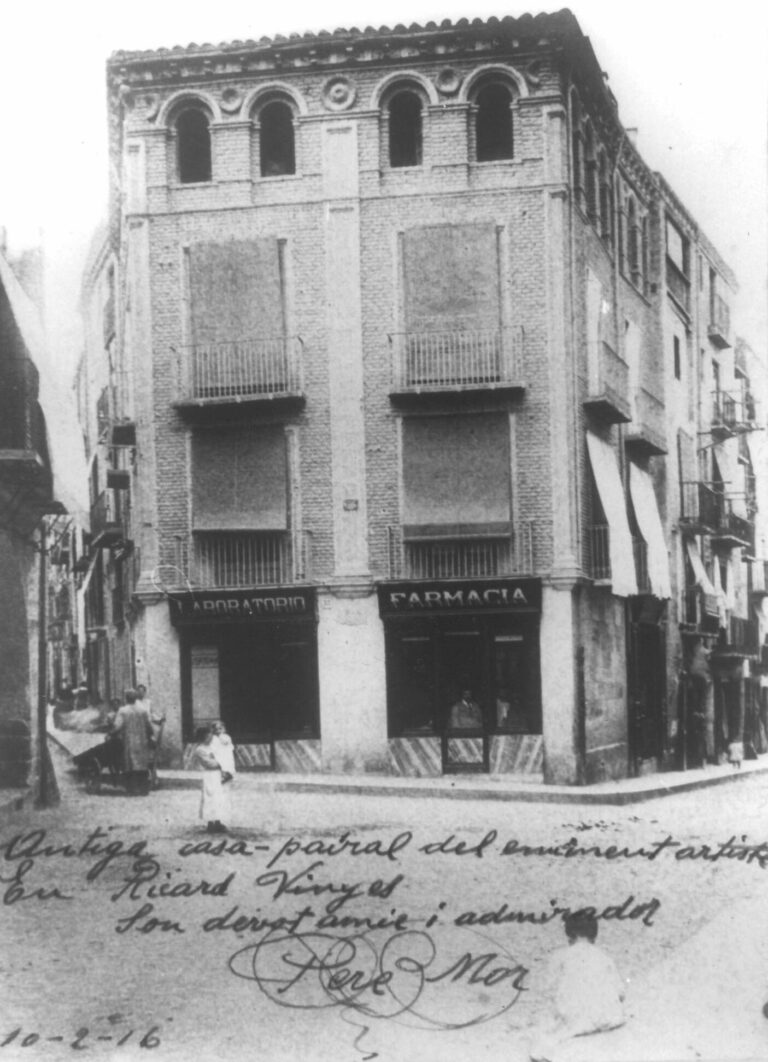
Viñes was born on the main floor of this building located at the intersection of the central streets Carrer Major and Carrer Caldereries. He spent his early childhood years there until 1885, when at the age of 10 he moved to Barcelona and later on to Paris.
Viñes was born a little further down Carrer Major, on the main floor of the house at the corner with Carrer Caldereries. The house, which still exists today, had been the property of his paternal family for several generations and had been his father’s home during his years of study at the Secondary Education Institute then located at El Roser. Carrer Major, Carrer La Palma, and Plaça de la Catedral were the places where young Viñes used to play, a neighbourhood he knew well. He was baptised in the church of Sant Pere and, from the age of seven until ten, he attended weekly music lessons at the home of teacher Joaquim Terraza, who lived very close to the Casino Principal.
The Viñes-Roda family lived for some years in this three-storey building but later moved to no. 13 Carrer Sant Antoni, where his brother Ramon Viñes was born.
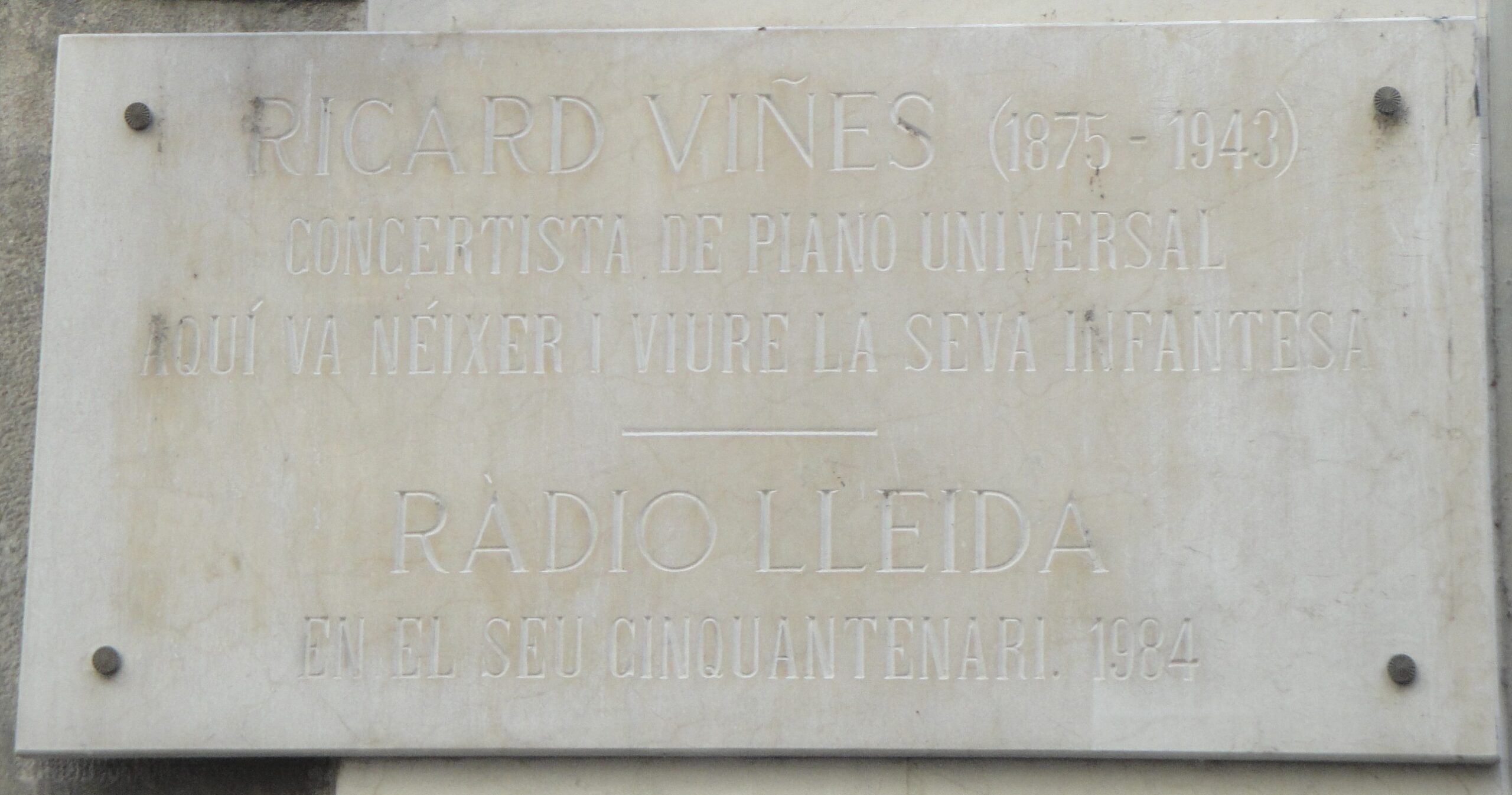
Plaque placed on the house by Ràdio Lleida to commemorate the place where Viñes was born.
Since 1984, there has been a plaque on the building’s entrance installed by Ràdio Lleida to commemorate the 50th anniversary of the creation of the city’s first radio station, bearing the following inscription: “Ricard Viñes (1875–1943). Universal piano concert pianist. Here he was born and spent his childhood.”
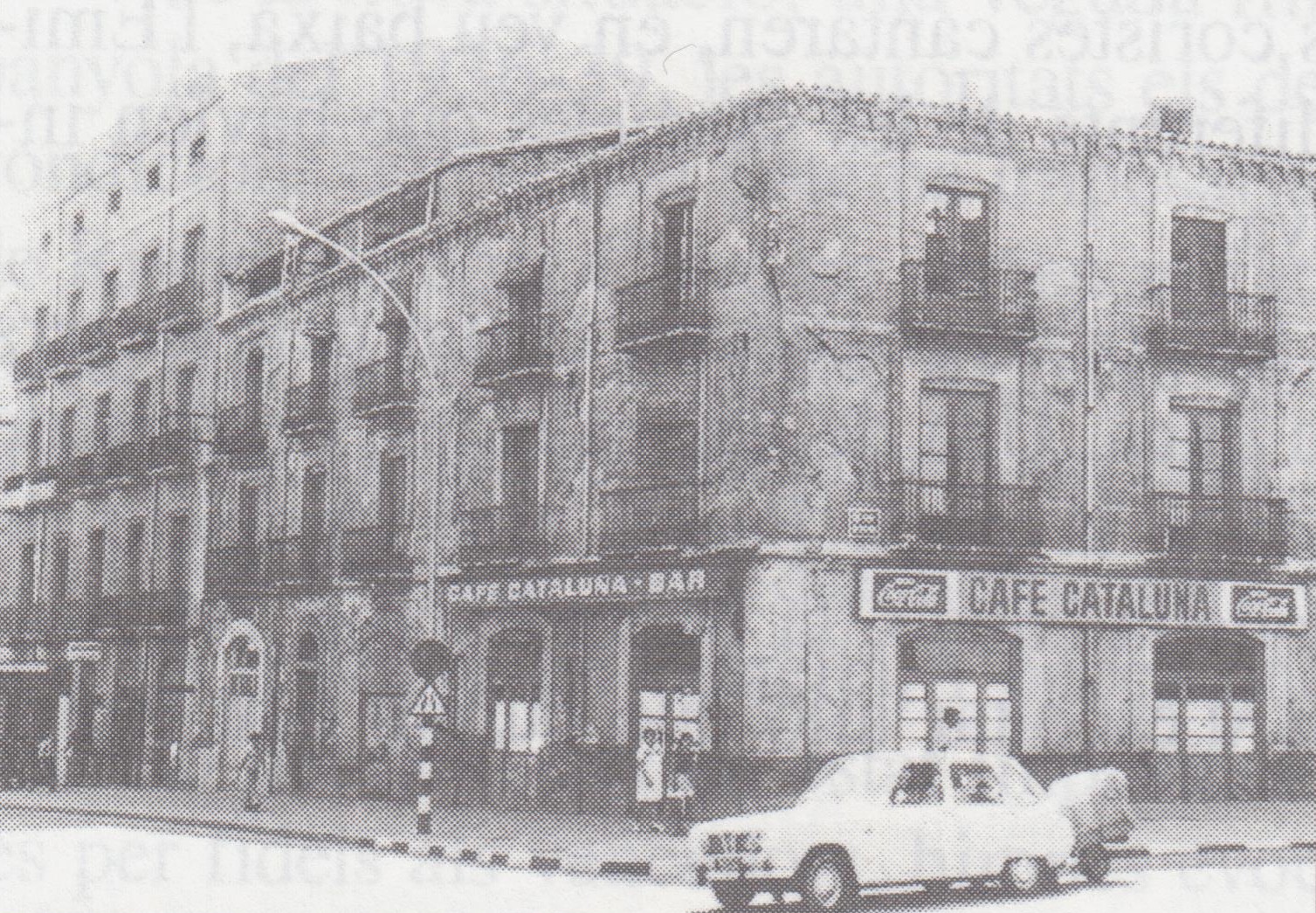
The Novelty Society had its premises in the Saló Guardiola, a small theatre located on Avinguda de Catalunya, accessed through the Café Catalunya. At different times, this venue hosted numerous organisations, including the popular choir La Violeta.
Further beyond Carrer Sant Antoni, Viñes performed at the Societat Novelty, or Sala Novetats, which was located at the corner with Carrer Acadèmia, in a concert organised by members of the Casino Principal. It was on 25 March 1908, and Viñes played for the first time in Lleida as part of a concert tour that had begun at the Palau de la Música in Barcelona a few days earlier and would continue in Madrid and various towns across Spain.
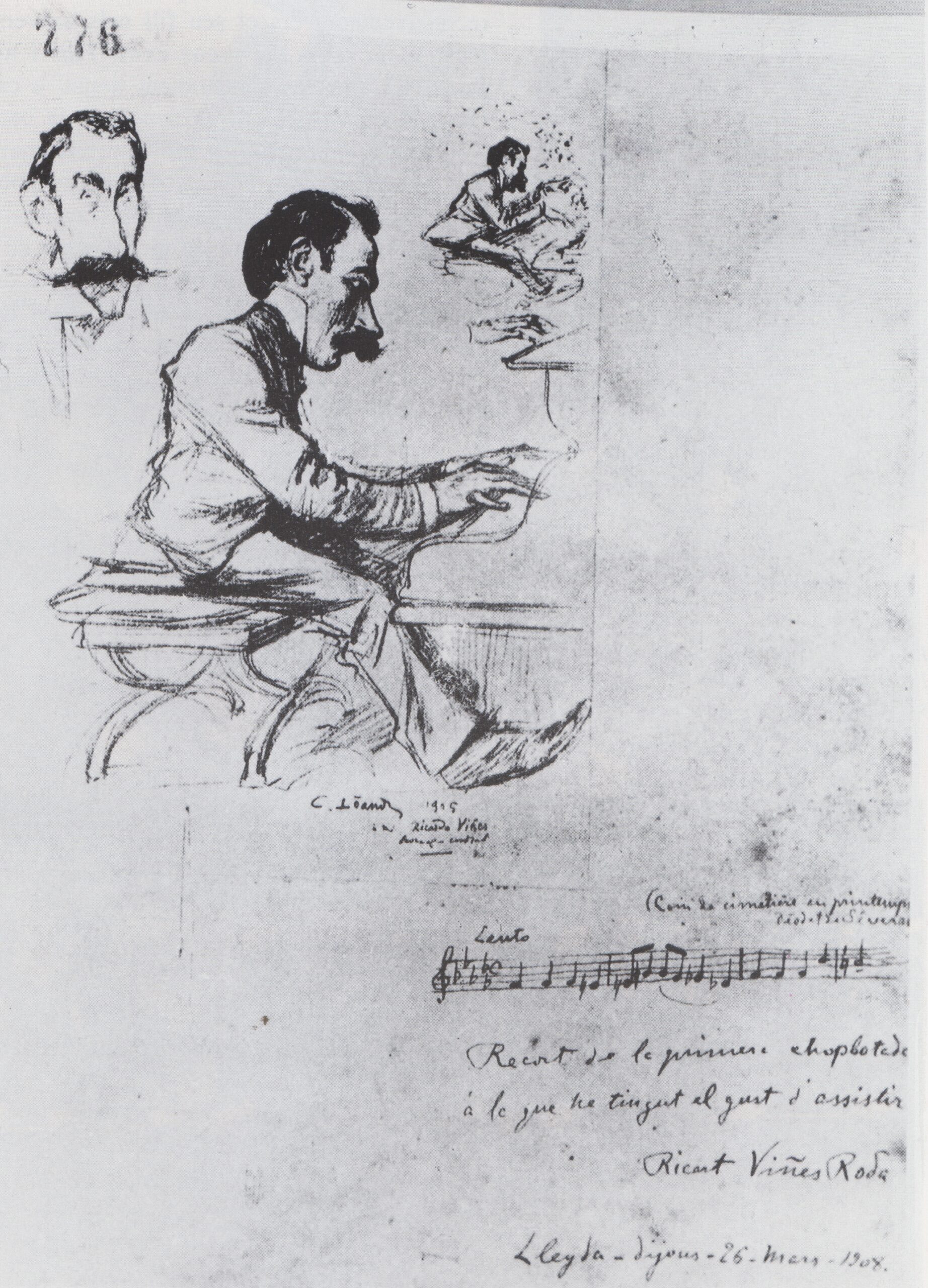
Invited by Magí Morera, Viñes visited the Xop-Bot for the first time in 1908. He would return on other occasions afterwards. The Xop-Bot was a meeting place for a group of Lleida intellectuals (writers, painters, musicians…), a gathering that lasted until the Civil War and also welcomed prominent visitors to the city.
On several occasions, Viñes also visited the well-known Xop-Bot, the summer house that brothers Jaume and Magí Morera used—one as a painting studio and the other for writing his poems. This house, located where the streets República del Paraguay and Ramon Soldevila intersect today, was then close to the River Segre and served as a meeting point for a group of intellectuals from the city who held their literary gatherings there.
4th Stop - Viñes Theatre
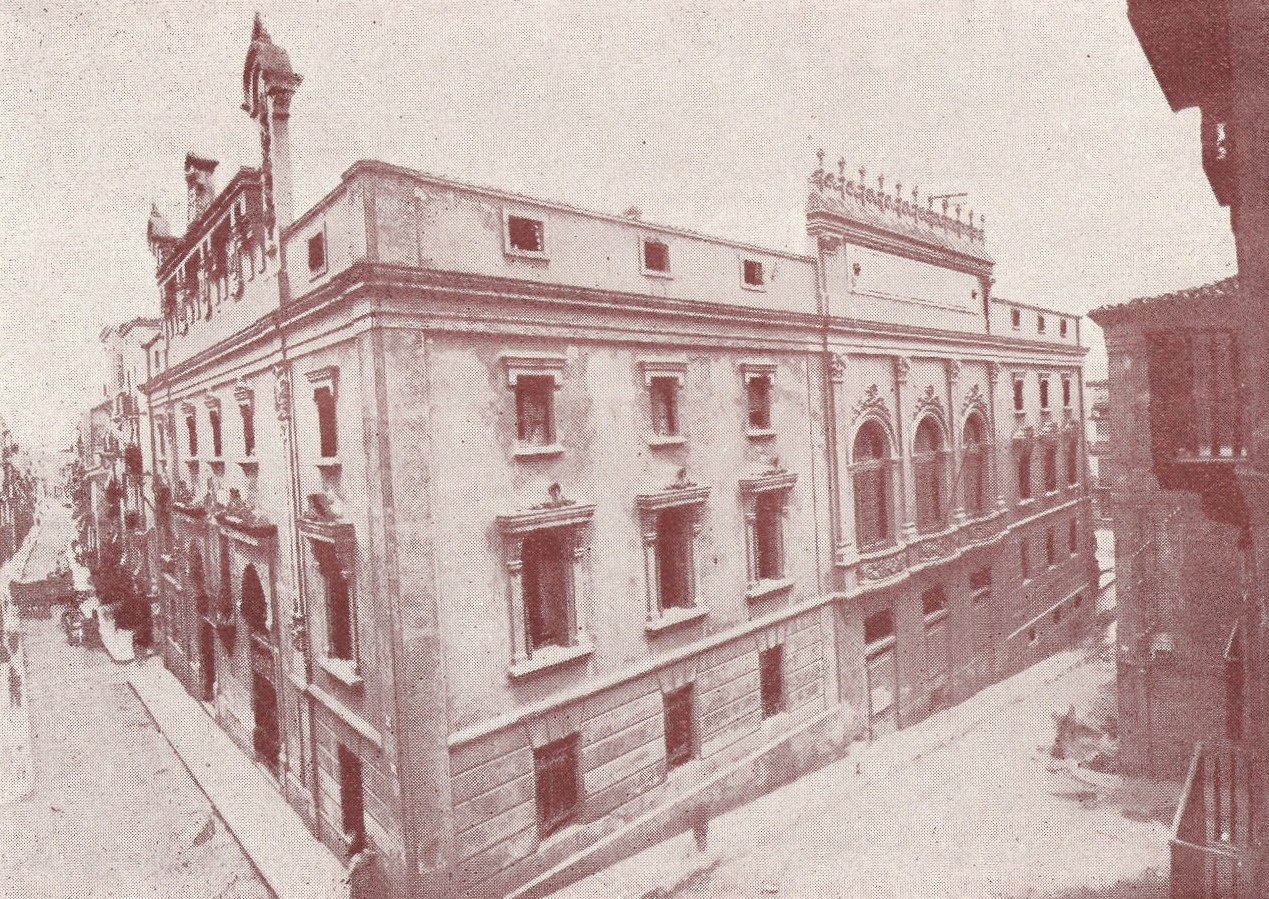
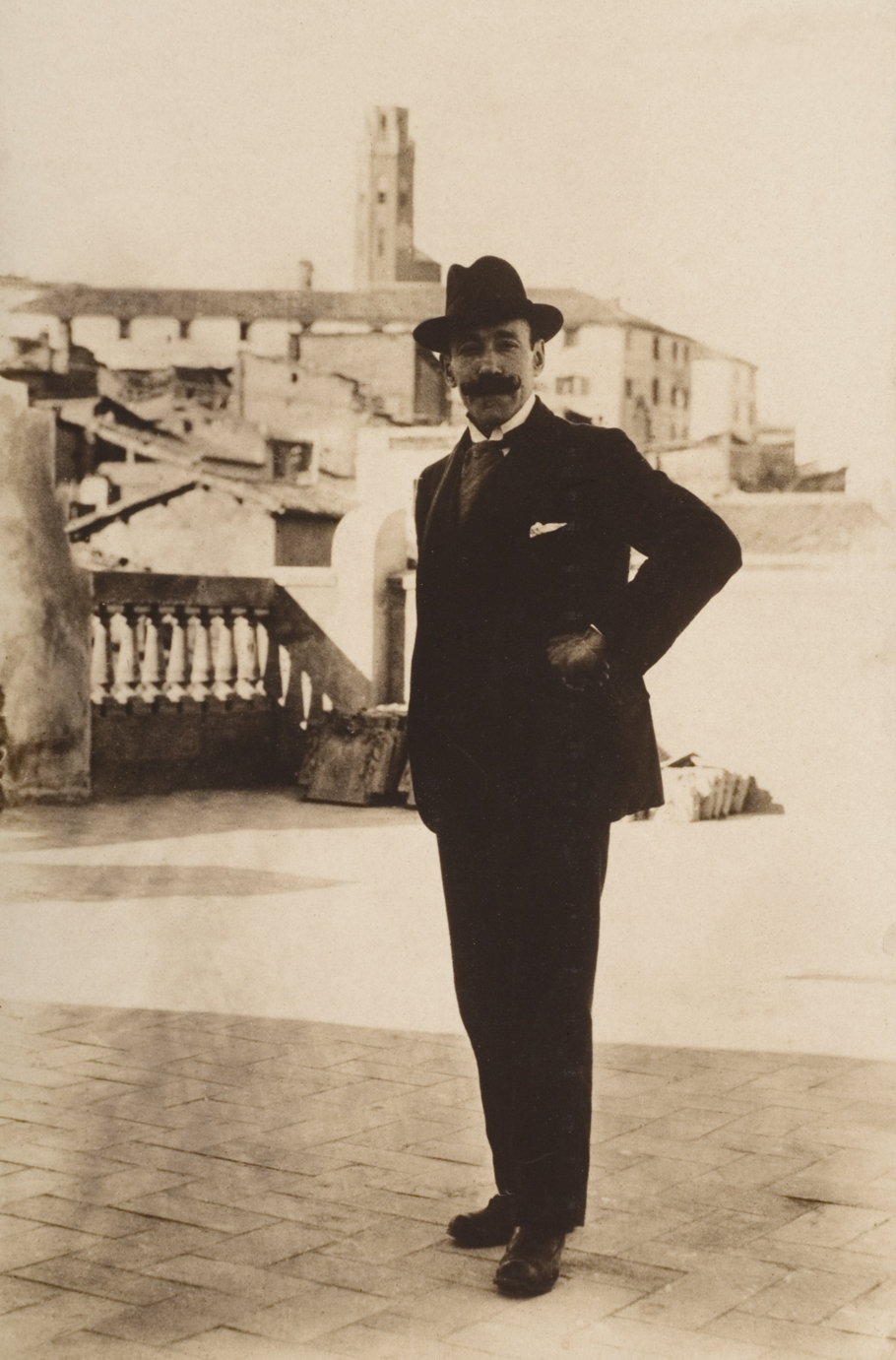
The Viñes Theatre occupied the former site of the Eléctrica del Cinca, a building that was destroyed in a fire. Joventut Catòlica commissioned architect Francesc de Paula to design its social headquarters there. The organisation occupied the first floor, while the rest of the building was used as a theatre. Viñes can be seen on the building’s rooftop with the Seu Vella in the background in 1919, the year of its inauguration.
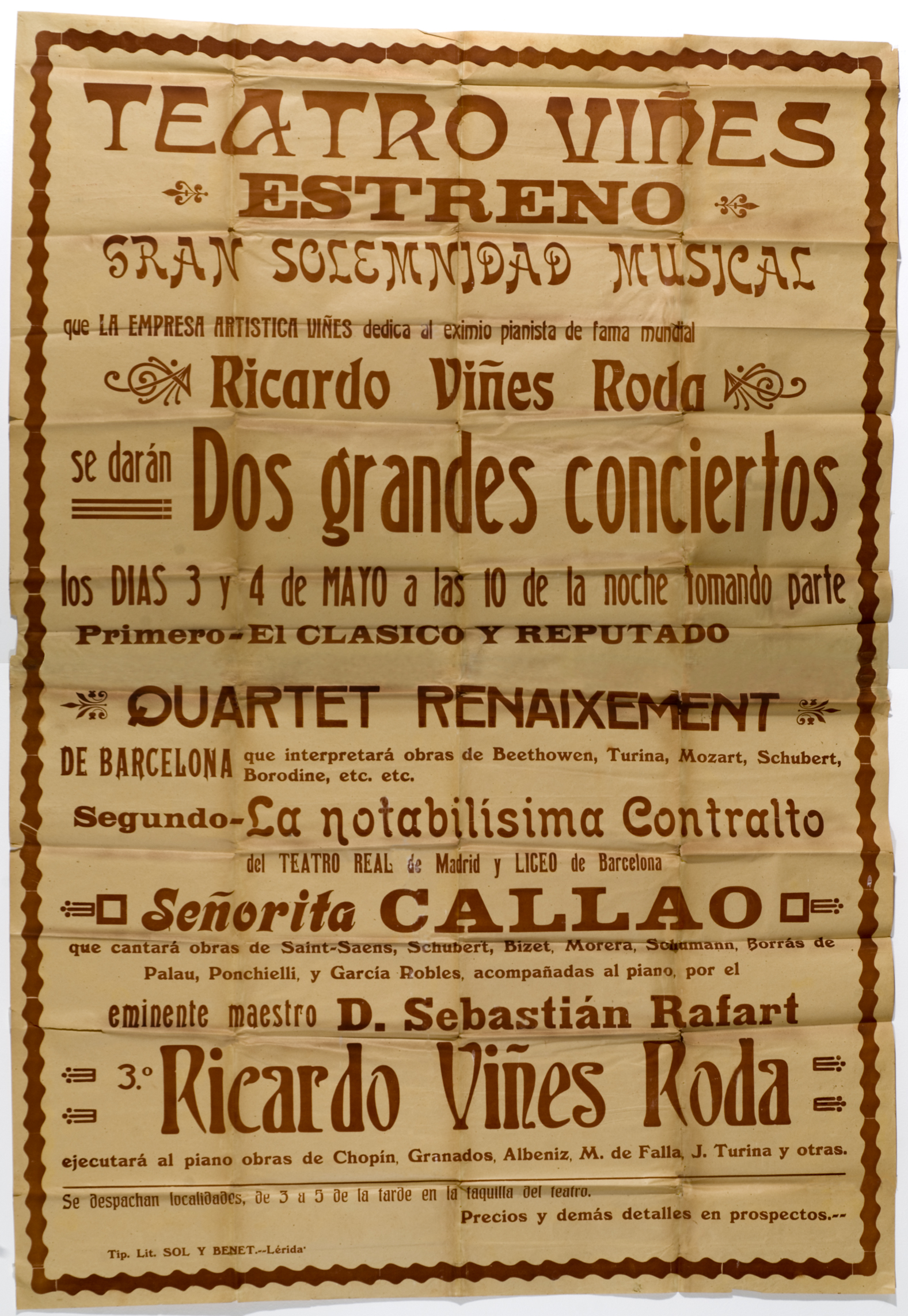
From the house where Viñes was born, and following Carrer Alcalde Mestre, we soon reach Avinguda Blondel, where the former theatre that bore his name once stood. The Teatre Viñes was built in 1919, and Viñes came expressly from Paris to inaugurate it, giving two concerts on 3 and 4 May together with the Renaixement Quartet led by Eduard Toldrà and the soprano Conxita Callao.
The Modernist building, designed by the municipal architect Francesc de Paula Morera, offered at the time all the desirable conditions of capacity, elegance, and refinement. Later, it was renamed Viñes Cinema and became first one of the city’s most successful silent film venues, and later a conventional cinema. The theatre, initially known as “the silver cup” for its elegance and good taste, hosted all kinds of performances over the years: from concerts to theatre, variety shows, and film screenings. Finally, after a major renovation in 1989, it became today’s CaixaForum.
Other Spaces
Municipal Cemetery
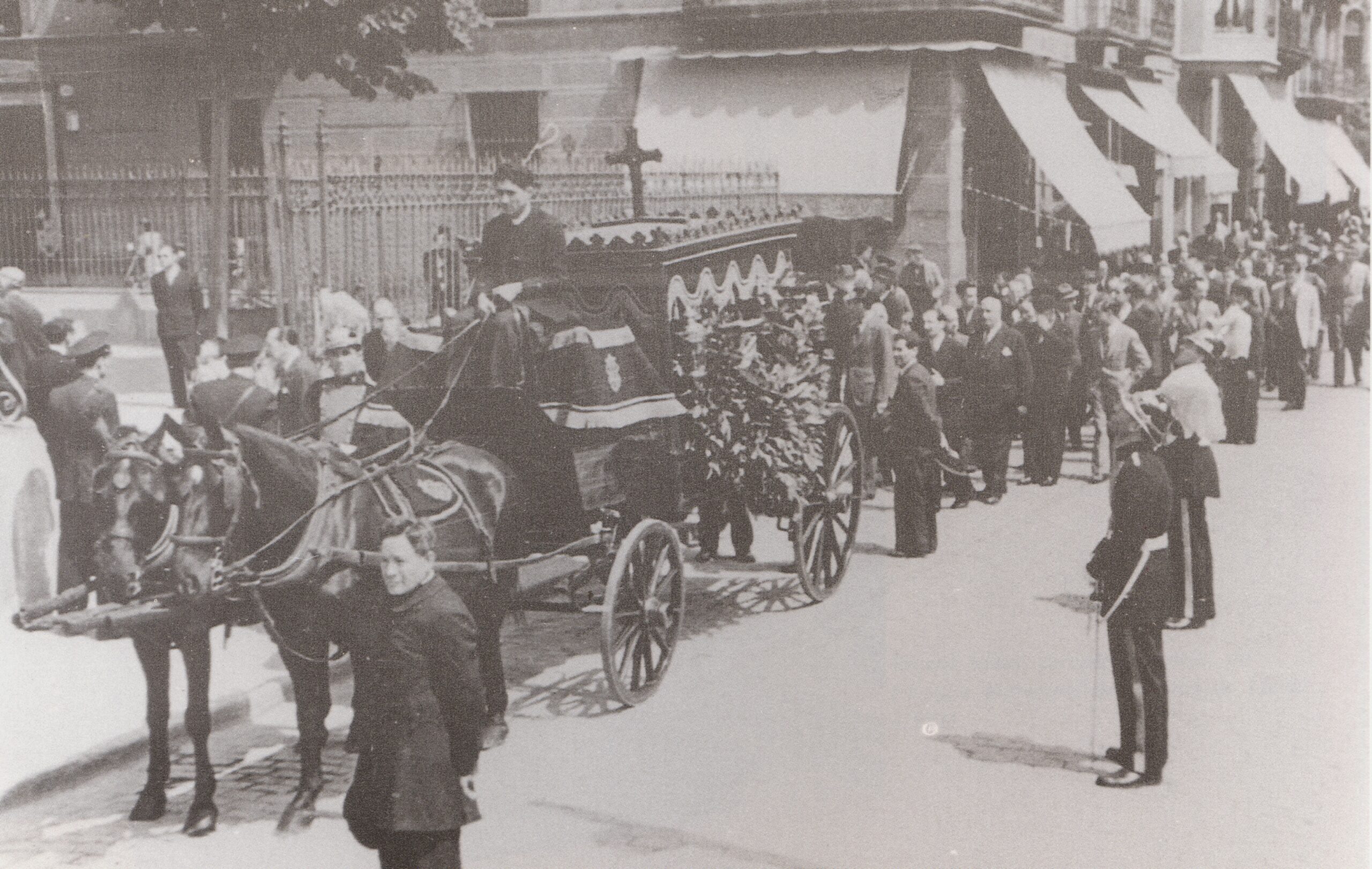
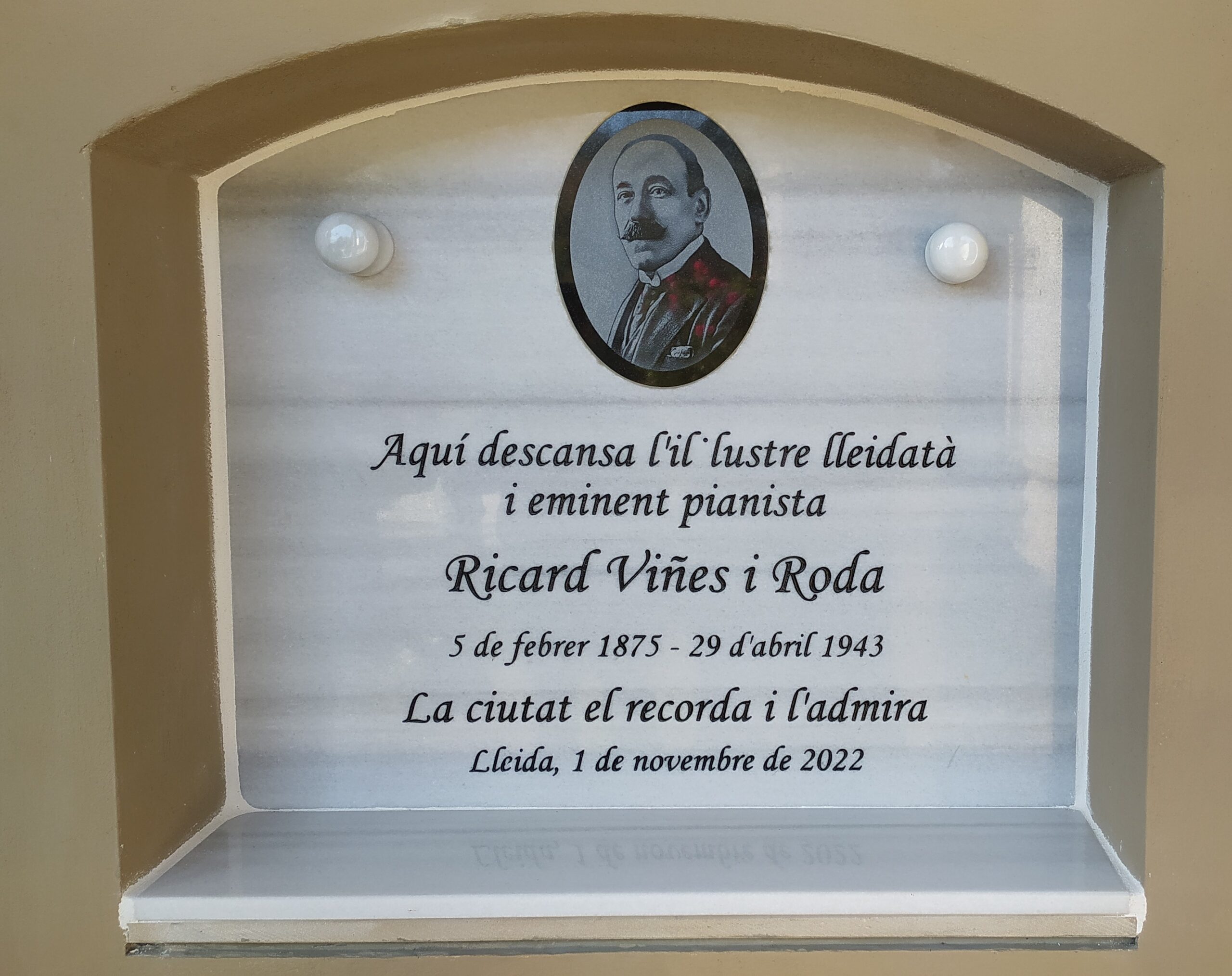
Viñes died in Barcelona on 29 April 1943 and was brought to Lleida the very next day. First, his body arrived at the Lleida Town Hall and shortly afterwards, accompanied by a large crowd, he was buried in the cemetery.
The funeral procession that accompanied Viñes on the day of his burial left the Town Hall and headed to the cemetery, where he was buried beside his mother. More recently, due to renovation work in the cemetery’s older sections, the Lleida City Council has transferred him to a new niche.
Ricard Viñes International Piano Competition
The competition has been held every July since 1995. It brings together young pianists from Lleida as well as others from around the world who aim to win one of the prizes awarded and thus gain significant international recognition.
Since 1995, the International Piano Competition has been held annually. It includes different categories that award young performers from around the world.
Plaça Ricard Viñes
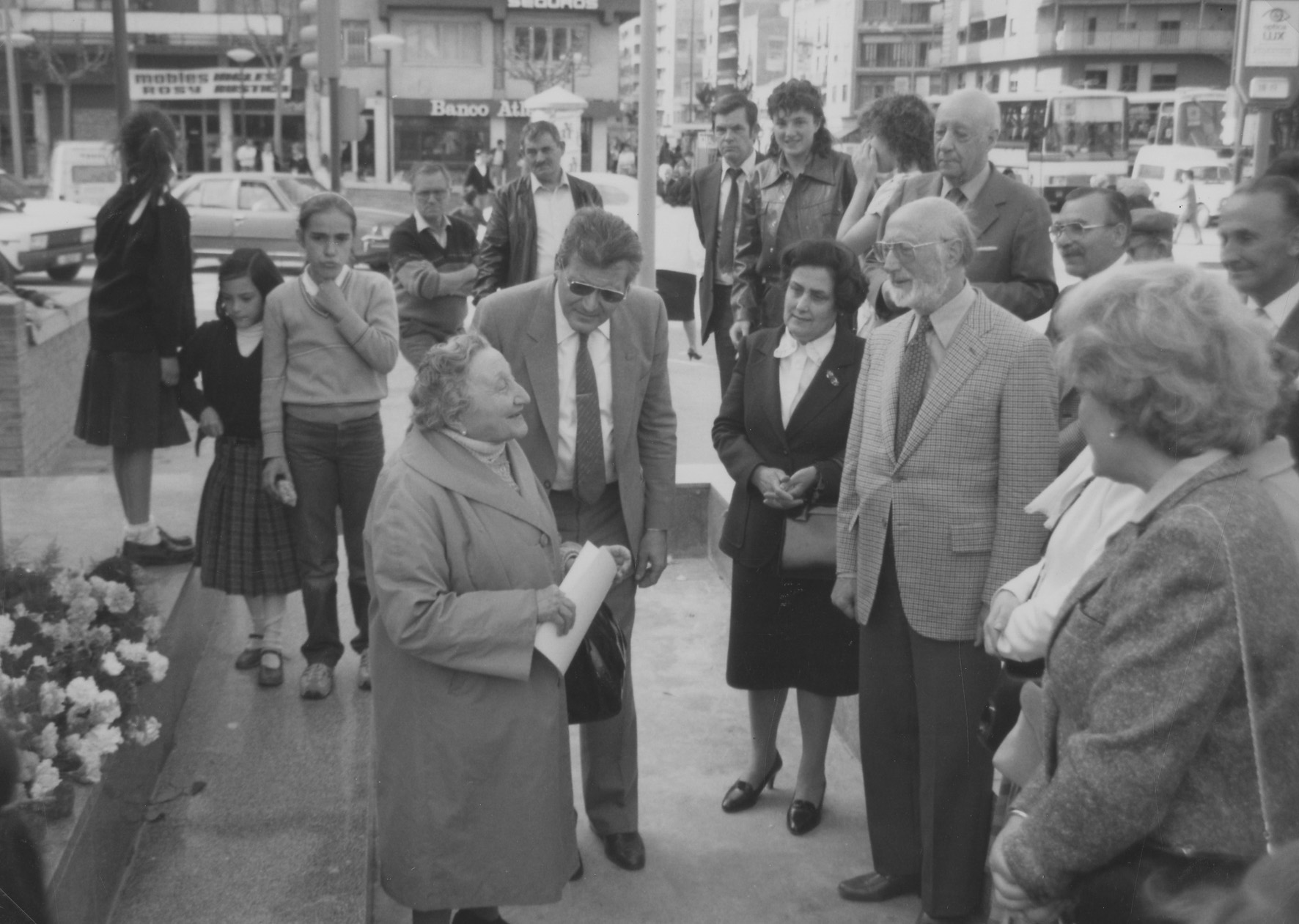
Of all the city’s spaces, Plaça Ricard Viñes is probably one of the most popular among the people of Lleida. The square was inaugurated in 1971 and has been renovated in recent years. The former square featured a monument where, on one side, there was a standing statue of Viñes, and on the other, a stone panel showing Ricard Viñes playing the piano. Although the monument has disappeared from the current square, the presence of the musician has been reinforced with the outline of three grand pianos drawn in tiles on the ground, and more recently with a striking mural on the side of one of the buildings.
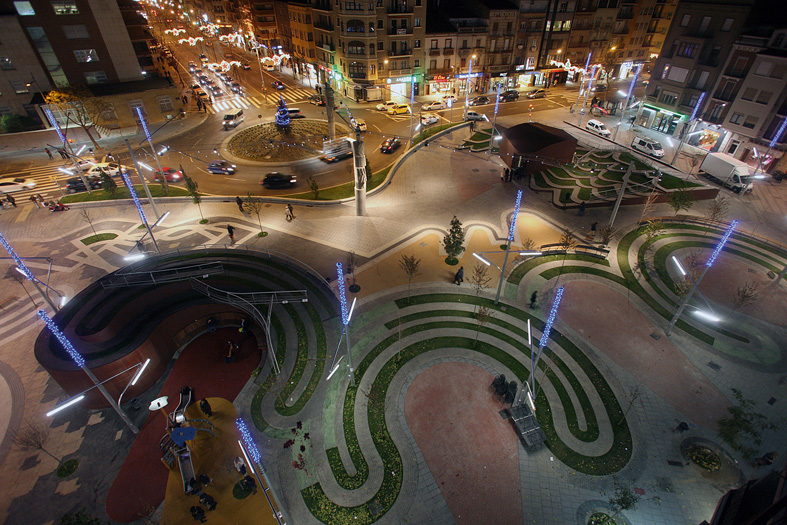
The current Plaça Ricard Viñes, located in the upper part of the city, is the result of a recent renovation. Previously, in 1971, the pianist’s niece Elvira Viñes came expressly to inaugurate the monument to Viñes that stood in the centre.
The legacy of Ricard Viñes
Years after Viñes’s death, his niece Elvira, in order to honour the affection the musician felt for the city, donated several personal objects to the City Council of Lleida on 28 June 1950.
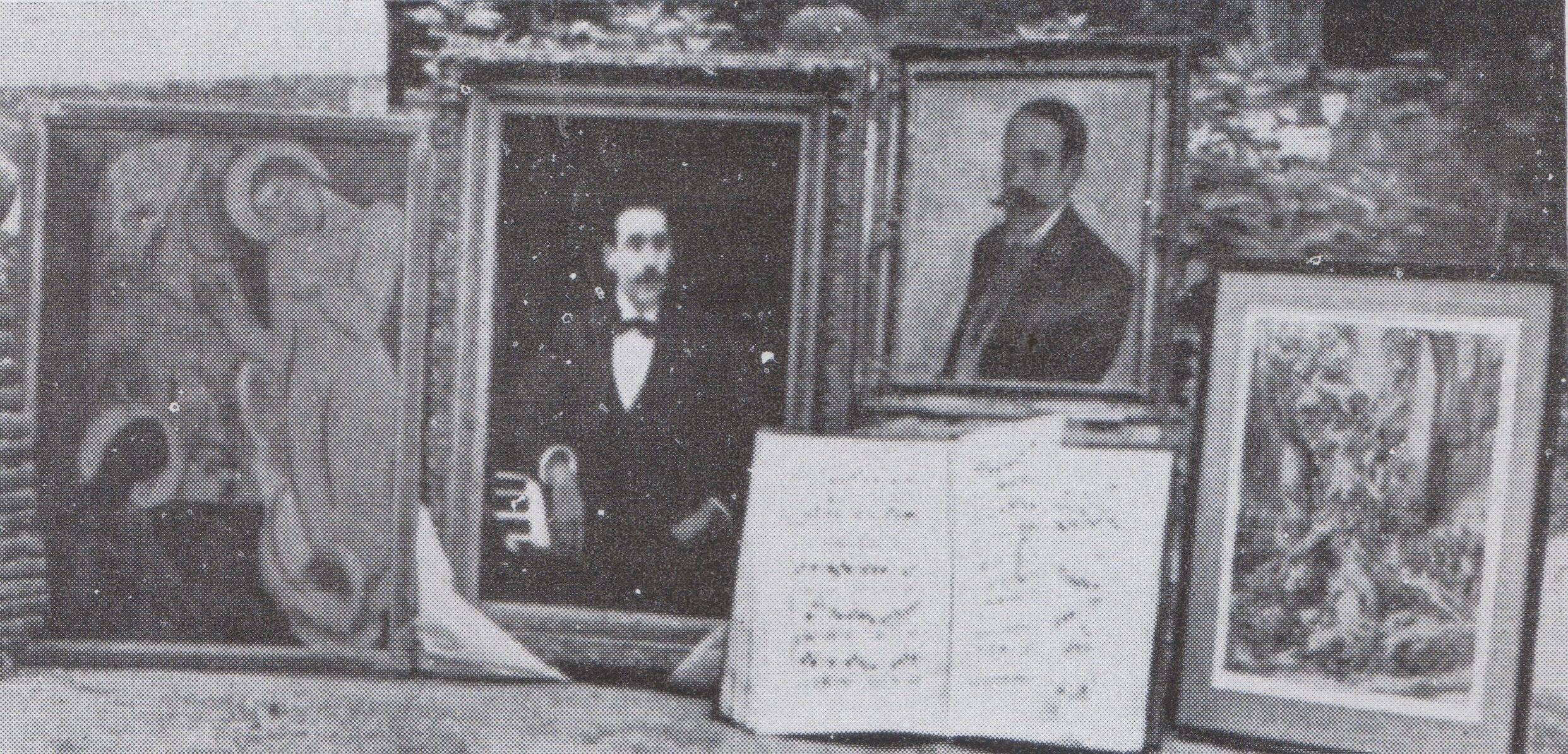
Later, in 1968, she made a second donation with the rest of her uncle’s belongings. Everything was brought together to form the Viñes Room at the former Morera Museum, inaugurated on 11 February 1975. Among the items that make up Viñes’s legacy are portraits, paintings, drawings, caricatures, diplomas and commemorative medals and recognitions, a bust and a mask, furniture, parchments, scores and poetic writings, as well as a miniature keyboard used for technical exercises during his travels. There are also personal documents, photographs, and a collection of concert programmes and posters.
The legacy of Ricard Viñes has reached the city in different stages. It is currently preserved by the Lleida City Council and is largely kept in the Municipal Archive of the city as well as at the University of Lleida.